
Review · HIKING & TREKKING
7 Days Rwenzori Summit (Margherita Peak) Hike
The Rwenzori are no ordinary mountains. This seven-day trek takes you from rainforest to glacial high country, with waterfalls, alpine lakes, unusual plants, and the summit of Margherita Peak. I like the small-group format, capped at 15 people, and the fact that guides, park rangers, meals, bottled water, huts, park fees, and most hiking gear are included.
I also like the strong local support. The team connected with Trek Rwenzori Tours, including Emmanuel, Emma, Enoch, and John, is repeatedly praised for organization, encouragement, and handling difficult moments. The catch is simple: this is a serious mountain climb, not a scenic stroll, and you must bring your own rain jacket and high-mountain trousers.
In This Review
- Key points before you book
- Why Margherita Peak is worth the effort
- Day 1: Nyakalengija to Nyabitaba Hut
- Day 2: Mubuku River and the climb to John Matte Hut
- Day 3: John Matte Hut to Bujuku Hut
- Day 4: Bujuku Hut to Elena Hut
- Day 5: Elena Hut to Margherita Peak and Kitandara Hut
- Day 6: Kitandara Hut to Guy Yeoman Hut
- Day 7: Guy Yeoman Hut to Nyabitaba Hut
- Day 8: Nyabitaba Hut to Nyakalengija
- What the $1,435.90 price really covers
- Food, huts, gear, and support
- Who should book this trek
- Booking advice and cancellation terms
- Should you book the Margherita Peak trek?
- FAQ
- How long does the Margherita Peak trek take?
- Where does the trek start?
- What time does the experience start?
- Is pickup available?
- What is included in the price?
- What is not included?
- How difficult is the trek?
- What is the maximum group size?
Key points before you book
- Margherita Peak is reached on Day 5, after a steady climb through the central Rwenzori circuit.
- The trek can take seven or eight days, since an acclimatization day may be needed.
- The scenery changes dramatically, from rainforest and rivers to alpine vegetation, snow, ice, and glaciers.
- Meals, bottled water, huts, guides, rangers, park fees, and hiking gear are included, but rain jackets and high-mountain pants are not.
- The hardest section is summit day, when altitude, cold, snow, and technical mountain conditions all arrive together.
- The group maximum is 15 people, with pickup offered and the trek beginning at 8:00 a.m. in Fort Portal.
Why Margherita Peak is worth the effort
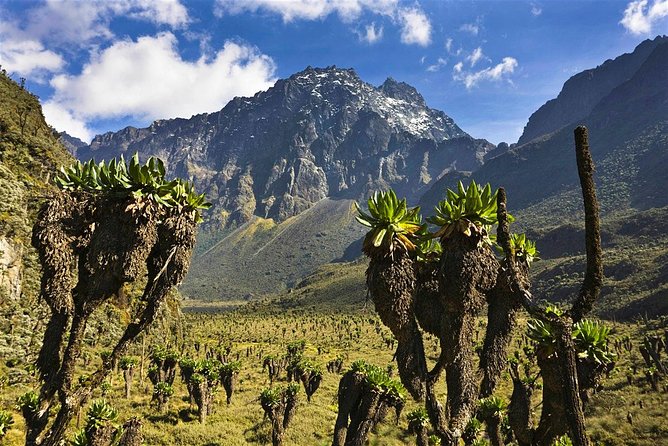
Uganda’s Rwenzori Mountains offer a very different summit experience from the more familiar African high points. The route does not simply lead through dry slopes toward a bare summit. Instead, you move through several distinct climate zones, each with its own plants, weather, and feel.
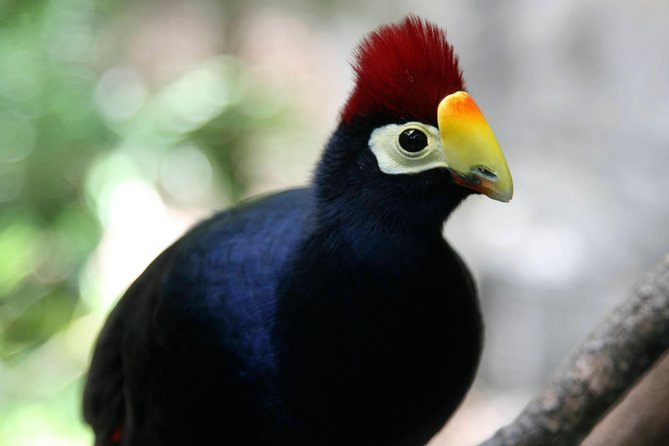
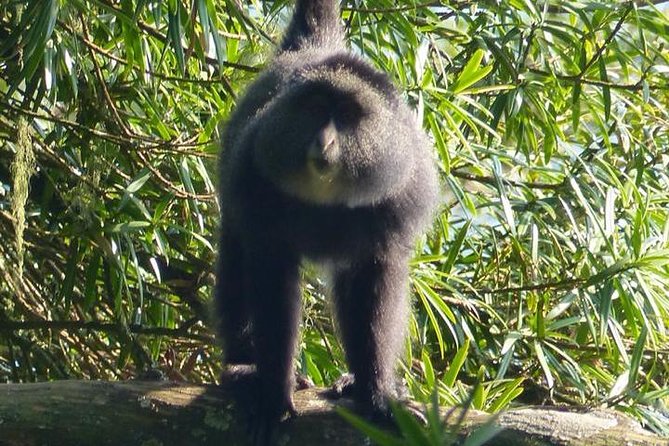
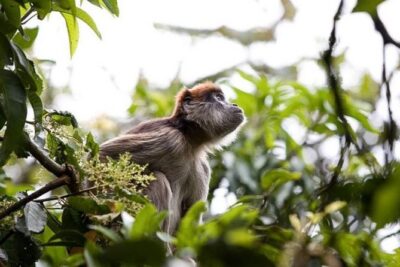
At lower elevations, expect rainforest, rivers, and thick vegetation. Blue monkeys and three-horned chameleons may appear along the way. Higher up, the forest gives way to giant plants, open moorland, alpine lakes, rock, snow, and remaining glaciers.
That change is one of the trek’s biggest rewards. You are not just walking uphill for a summit photograph. The route keeps presenting something new, even on days when your legs feel tired and the weather turns wet.
The Rwenzori are also demanding because the path can be muddy, steep, cold, and exposed. The supplied trip details describe the trek as suitable for people with strong physical fitness, and that is the right way to read it. You need stamina for long walking days, but you also need patience. The pace is not about racing.
The price is listed at $1,435.90 per person. That is a substantial amount, but it covers the costly basics of a protected mountain trek: national park entrance fees for seven to eight days, three meals each day, bottled water, guides, park rangers, overnight hut accommodation, and hiking gear. For a remote summit attempt, this makes the price easier to justify than a simple day hike fee.
More trekking days out of Uganda:
- 3 Days gorilla trekking Safari tour in Uganda
★ 5.0 · 121 reviews - 1 Day Sipi falls hike
★ 5.0 · 100 reviews - 8-Day Murchison Falls, Chimp and Epic Gorilla Trekking Safari
★ 5.0 · 72 reviews
Day 1: Nyakalengija to Nyabitaba Hut
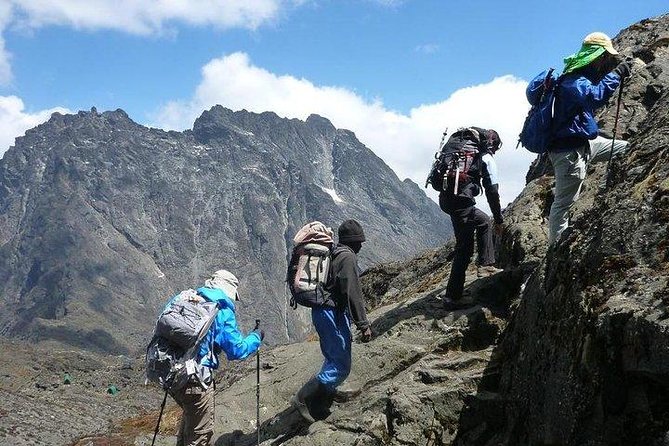
The trek begins at Nyakalengija, at about 1,615 meters, and climbs to Nyabitaba Hut at 2,651 meters. The start point is reached through the Rwenzori trekking operation on Rukidi III Street in Fort Portal, with the advertised start time set for 8:00 a.m.
This first day gives you a clear idea of the rhythm ahead. You begin in a lower, greener zone and gain more than 1,000 meters of elevation before sleeping at the hut. That gain is manageable for a fit hiker, but it is enough to make the first evening feel earned.
Nyabitaba is an important first stop because it lets you settle into the group routine. You walk, eat, rest, and prepare for the next morning. Guides and porters handle much of the practical work, allowing you to focus on staying hydrated and keeping your energy steady.
Do not treat Day 1 as an easy warm-up. The early elevation gain can expose weak preparation quickly. Keep your pace comfortable, drink regularly, and avoid using too much energy simply because you feel fresh at the start.
Day 2: Mubuku River and the climb to John Matte Hut
Day 2 leads from Nyabitaba toward the Mubuku River at roughly 2,600 meters, then continues to John Matte Hut at 3,380 meters. The route introduces more river scenery and a stronger sense that you are moving into high mountain country.
This is also where the trek begins to feel less like a forest walk and more like an expedition. The day involves further climbing, and the altitude starts to matter. A good guide will help you maintain a sensible pace rather than allowing the strongest person in the group to set the tempo for everyone.
John Matte Hut is a useful point for checking your condition. If you have headaches, unusual tiredness, or poor sleep, tell the guide early. The itinerary allows seven to eight days partly because many people need extra time to adjust to altitude. That flexibility is far safer than trying to copy the remarkable three-day summit attempt described by one participant.
The meal service is valuable here. Breakfast, lunch, and dinner are included, so you do not need to plan a week of mountain cooking or carry all your food. Bottled water is also provided, which reduces one major planning concern.
Day 3: John Matte Hut to Bujuku Hut
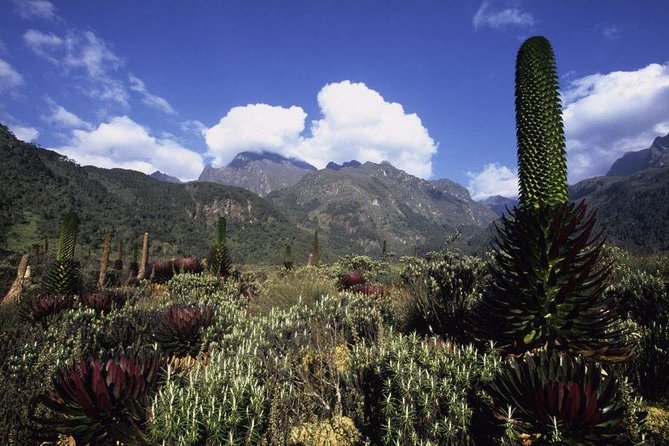
From John Matte Hut, the route continues to Bujuku Hut, listed at about 3,962 to 3,977 meters. The small difference between the two published elevations is not important for your planning. What matters is that you are now sleeping close to 4,000 meters.
This is a beautiful section, with the Rwenzori’s unusual high-altitude vegetation and open views beginning to replace the lower forest. Waterfalls, rivers, and alpine scenery give the route a wild character that feels far removed from Uganda’s roads and towns.
It is also a day when steady progress matters more than speed. You may feel the altitude in your breathing and notice that ordinary tasks take longer. I would keep your pack light, use the assistance available from the trekking team, and save your strength for the climb still ahead.
Bujuku Hut is one of the most important overnight stops because it places you near the upper part of the route. A rest day may be built into the broader seven to eight-day schedule, depending on the group and the guide’s judgment. That extra day may feel frustrating on paper, but it can make the summit attempt more realistic.
Same country, a completely different few days:
- 3 Hours Guided Cycling Tour Across Lake Victoria
★ 5.0 · 151 reviews - Kampala’s Best Experience walking tour
★ 5.0 · 137 reviews - Lake Victoria Island Cycling Tour from Kampala
★ 5.0 · 120 reviews - Kampala Walking City Tours (Women Guided)
★ 5.0 · 115 reviews
Day 4: Bujuku Hut to Elena Hut
The route climbs from Bujuku Hut to Elena Hut at approximately 4,541 meters. This is a major gain, and the surroundings become more austere. Forest fades further away, the air gets colder, and the weather can shift quickly.
Elena Hut is a high overnight base before the summit attempt. Sleeping at this elevation can be uncomfortable, especially if your body has not adjusted well. This is precisely why a seven-day schedule should not be viewed as a race.
The route information also says that the trek may cover several major peaks and passes, including the Portal Peaks, Mount Gessi, Mount Emin, Mount Stanley, and Mount Speke. The main goal for this trip is Margherita Peak, but the wider mountain setting helps explain why the route feels like a full expedition rather than a single summit walk.
At this stage, your guide’s judgment becomes especially important. The team includes expert guides and park rangers, and the strongest praise is directed toward their encouragement, route decisions, and ability to help hikers through difficult conditions. One account specifically credits the guides with making a rainy-season summit possible.
Day 5: Elena Hut to Margherita Peak and Kitandara Hut
Summit day is the centerpiece of the trek. You leave Elena Hut at 4,541 meters, climb to Margherita Peak, then descend to Kitandara Hut at about 4,027 meters.
This is the most demanding day, both physically and mentally. Snow, ice, cold, altitude, and difficult footing can all be part of the experience. One account describes navigating a snow plateau, while another calls the trek one of the toughest hikes attempted. Those details are useful warnings, not reasons to avoid the trip.
The payoff is the summit of Margherita Peak, described as one of Africa’s highest summits and the third-largest summit on the continent. The views can be exceptional, but summit conditions are never guaranteed. Cloud, wind, snow, and fatigue may limit what you see.
The descent to Kitandara Hut is not an easy finish. After reaching the summit, your body still has to lose elevation over difficult ground. I would plan mentally for a long day, not a quick celebration followed by a short walk.
The guides’ role matters most here. The strongest praise for this trek centers on their motivation, practical help, and calm handling of exposed or snowy sections. You should listen closely to their instructions and accept a slower pace if they recommend one.
Day 6: Kitandara Hut to Guy Yeoman Hut
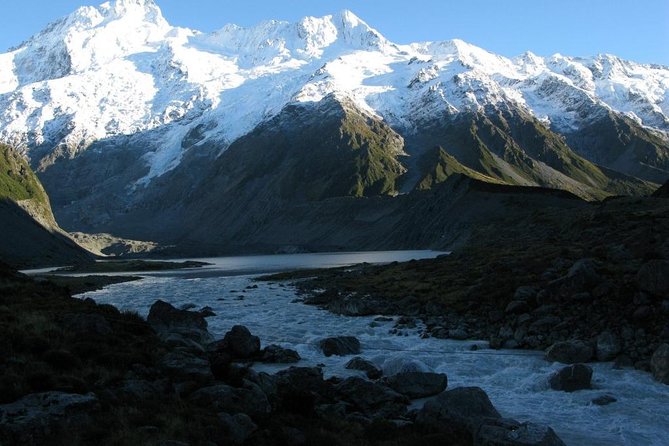
Day 6 crosses Fresh Field Pass at around 4,282 meters before descending to Guy Yeoman Hut at approximately 3,450 meters. After summit day, the descent may feel welcome, but it still includes substantial walking and another high pass.
Fresh Field Pass provides another change in scenery. The route remains rugged and remote, with open mountain views replacing the enclosed feel of the lower forest. This is a good day to appreciate the setting rather than focus only on reaching the next hut.
The drop to Guy Yeoman Hut brings somewhat lower altitude, which may help your breathing and appetite. You may still be sore, however, and wet clothing or poor foot care can become a problem late in the trek. Use the hut stops to dry what you can and check your feet.
The practical support continues to earn its keep. You have food, water, guides, rangers, and sleeping huts already arranged. That means fewer decisions when you are tired, although you still need to pack personal clothing suited to rain and cold.
Day 7: Guy Yeoman Hut to Nyabitaba Hut
The route descends from Guy Yeoman Hut to Nyabitaba Hut at 2,651 meters. You return toward the lower forest and retrace part of the mountain route, but the mood is different now. The summit is behind you, and the remaining task is to descend safely.
This day may be easier on the lungs but harder on tired knees. Trekking poles can help, though the supplied information does not confirm that they are included in the gear package. Ask the operator exactly what equipment is provided before you arrive.
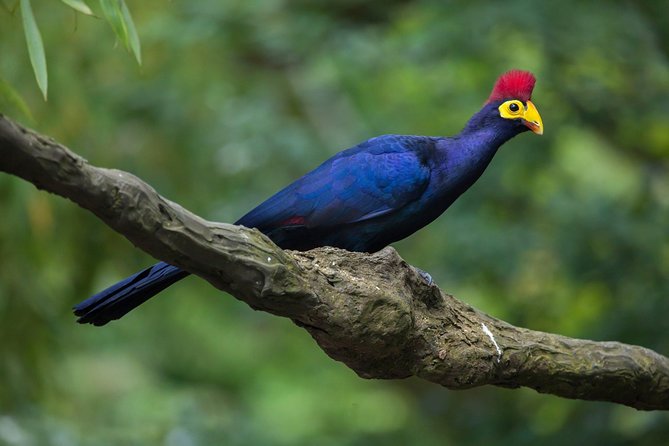
You may notice more wildlife and thicker vegetation as you lose altitude. The return through forest also gives you a final chance to notice the plant life you may have rushed past during the ascent.
Day 8: Nyabitaba Hut to Nyakalengija
The final section descends from Nyabitaba Hut to Nyakalengija, dropping from about 2,651 meters to 1,615 meters. The published experience is described as seven days, but the detailed route includes this eighth day, so you should confirm the exact schedule before booking flights or onward transport.
This last walk completes the circuit and brings you back to the starting area. The activity ends at the meeting point, and pickup is offered at the beginning of the experience.
The extra day is not a flaw. It reflects the reality that most people need more time than an exceptionally fit hiker. The operator says very experienced hikers may finish in six to seven days, while many others need seven to eight days with a rest day for acclimatization.
What the $1,435.90 price really covers
The strongest value here is the amount of support bundled into one fee. You receive:
- National park fees for seven to eight days
- Breakfast, lunch, and dinner
- Bottled water
- Expert guides and park rangers
- Overnight hut accommodation
- Hiking gear
That package removes several expensive and complicated arrangements. You are not separately paying for park access each day, finding food at remote huts, or organizing a guide team on the mountain.
Still, check the gear list carefully. Rain jackets and high-mountain pants are excluded, despite the general promise that hiking gear is included. You should also budget separately for insurance, tips, visas, and flights.
The group maximum of 15 is reasonable for a serious trek. A smaller group may feel more personal, while a full group can mean different walking speeds and more waiting at huts. Ask how the operator handles mixed abilities and whether the listed price changes if only one or two people book.
Food, huts, gear, and support
Included meals are a major practical benefit. Three meals per day means you can concentrate on walking rather than carrying and cooking a week’s food. Bottled water is also supplied, which is especially useful on a route where hydration becomes increasingly important at altitude.
Hut accommodation is basic by nature. You are paying for shelter in a remote mountain setting, not hotel comfort. Bring the personal items you need to sleep, stay dry, and manage changing temperatures, since the supplied details do not specify bedding or hut facilities.
The gear inclusion is helpful for people who do not own full trekking equipment. But I would not assume it covers every item you want. The explicit exclusions are rain jackets and high-mountain pants, and you should clarify the exact boots, sleeping equipment, poles, gloves, and cold-weather layers available.
The staff is one of the strongest reasons to consider this operator. Accounts connected with the company praise Emmanuel and his team for airport transfers, hotels, safari planning, and mountain coordination. Other names, including Enoch and John, are also associated with the support team. The most useful praise concerns encouragement during hard sections and sound decisions in wet weather.
Who should book this trek
I would recommend it to a fit hiker who wants a serious African mountain experience and values local guidance. It suits you if you enjoy long days on foot, basic huts, changing weather, and scenery that becomes more dramatic as the route climbs.
It is less suitable if you want a relaxed holiday with guaranteed summit conditions or comfortable lodging. The route is physically hard, and strong fitness is explicitly required.
You do not need to be an elite mountaineer based on the information provided, but you do need preparation and a willingness to move slowly. The guides can assist you, yet no guide can remove the effects of altitude, cold, rain, or fatigue.
The route also suits someone planning a wider Ugandan trip. The company has arranged combinations involving Rwenzori trekking, gorilla trekking, chimpanzee visits, safaris, and white-water rafting. Those extra activities are not part of this price, but the operator may be able to coordinate them separately.
Booking advice and cancellation terms
The meeting point is Trek Rwenzori Tours on Rukidi III Street in Fort Portal, Uganda. Pickup is offered, and the tour begins at 8:00 a.m. The end point is the same meeting point.
Confirmation is provided at booking, and the start point is near public transportation. You should still confirm the exact pickup arrangement, the seven-day versus eight-day schedule, and the full equipment list before paying.
Free cancellation is available up to 24 hours before the local start time for a full refund. Cancellations or changes made within 24 hours are not accepted for a refund.
Should you book the Margherita Peak trek?
Book this trek if you want a demanding, well-supported route through one of Africa’s most unusual mountain environments. The combination of rainforest, alpine lakes, glaciers, rare wildlife, huts, meals, park access, and a trained support team gives the $1,435.90 price solid value for a remote seven to eight-day climb.
I would not book it casually. Bring proper rain protection, train for sustained uphill walking, and allow room in your schedule for an eighth day or an acclimatization stop. If you accept the discomfort and prepare seriously, this is the kind of trip that can become the main story of your Uganda visit.
FAQ
How long does the Margherita Peak trek take?
The experience is marketed as a seven-day trek, but the detailed route runs across eight days. Very experienced hikers may finish in six to seven days, while most people may need seven to eight days, including a possible rest day for acclimatization.
Where does the trek start?
The meeting point is Trek Rwenzori Tours on Rukidi III Street in Fort Portal, Uganda. The trek begins at Nyakalengija, at approximately 1,615 meters.
What time does the experience start?
The listed start time is 8:00 a.m.
Is pickup available?
Yes. Pickup is offered, and the activity ends back at the meeting point.
What is included in the price?
The price includes national park entrance fees for seven to eight days, breakfast, lunch, dinner, bottled water, expert guides, park rangers, hiking gear, and overnight hut accommodation.
What is not included?
Insurance, tips, visas, and flights are not included. Rain jackets and high-mountain pants are also excluded from the gear provided.
How difficult is the trek?
You should have a strong level of physical fitness. The route reaches Margherita Peak after climbing above 4,500 meters, and conditions may include cold, snow, ice, rain, steep ground, and difficult high-altitude walking.
What is the maximum group size?
The maximum group size is 15 people.
Latest into the Uganda lineup
- Uganda: 3-Day Gorilla Experience from Entebbe★ 5.0 · 2 reviews
- Uganda Equator Tour From Kampala To Kayabwe★ 5.0 · 4 reviews
- Uganda: 1-Day Murchison Falls Park Safari with Boat cruise★ 5.0 · 3 reviews
- Uganda: 2-Day Murchison Falls Park Safari with Boat cruise★ 5.0 · 7 reviews
- Hot Springs Exploration and Hike Craters★ 5.0 · 6 reviews
- 4 Days Uganda Gorilla and Wildlife Tour★ 5.0 · 2 reviews
- Coffee Tour Experience★ 5.0 · 5 reviews
- 4 Hour Art and Craft Interactive Workshop★ 5.0 · 2 reviews
Hiking & Trekking, compared.
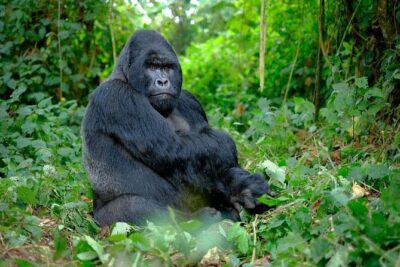
3 Days gorilla trekking Safari tour in Uganda
Read our review →
8-Day Murchison Falls, Chimp and Epic Gorilla Trekking Safari
Read our review →
5-Day Pearl of Africa Chimps and Gorilla Trekking Safari
Read our review →
3-Day Tour to Uganda – Gorilla Trekking Bwindi Forest
Read our review →
4-Day Uganda Gorilla Trekking and Wildlife Safari
Read our review →
Private 3 Day Gorilla Trekking Safari in Uganda
Read our review →
8-Day Murchison Falls, Chimp and Epic Gorilla Trekking
Read our review →Browse the lists this tour appears in