
Review · WALKING TOURS
Steve Kampala Walking tours (Airpals Safaris tour)
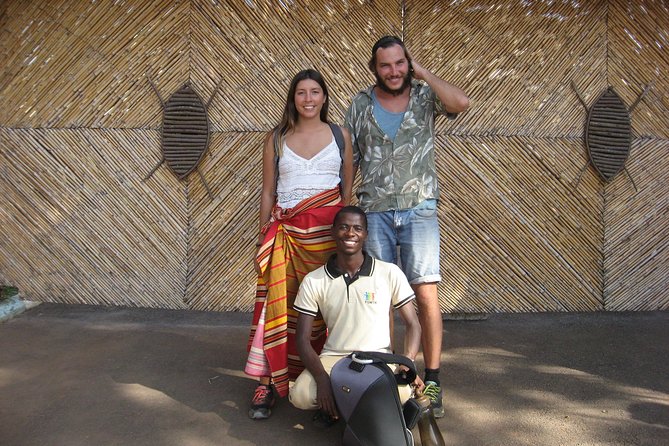
Kampala reveals itself on foot. Steve Kampala Walking Tours gives you a small-group introduction to Uganda’s capital, moving from Makerere University and Katanga to markets, monuments, temples, and hilltop views. I like the broad mix of places and the chance to see everyday Kampala, not just polished sights. I also like the guides’ practical help, with Steve, Getrude, and Ben praised for their friendliness and clear local advice.
The main consideration is pace and consistency. The route covers a lot in about four hours, but some sections may feel rushed or quiet, and one participant found the tour ended after three hours. Come ready for heat, traffic, crowds, and an unvarnished city walk, rather than a formal sightseeing circuit.
In This Review
- Five useful things to know before you book
- What this Kampala walk is really trying to show you
- Starting at Makerere University
- Seeing Katanga beyond the postcard
- Shopping at Bagala Craft
- Understanding Uganda at the Independence Monument
- Tasting Kampala at Nakasero Market
- Entering the Shree Sanatan Dharma Mandal Temple
- A brief stop at the World War II Memorial
- Watching Kampala work at the Old Taxi Park
- Walking through Owino Market
- Finishing at Namirembe Cathedral
- How the guides shape the experience
- Is $28 a fair price for four hours?
- Who should book this walk?
- Practical details worth knowing
- Should you book Steve Kampala Walking Tours?
- FAQ
- How long does the Kampala walking tour last?
- How much does the tour cost?
- How large is the group?
- Where does the tour start?
- Where does the tour end?
- Can I choose a morning or afternoon departure?
- What happens if the weather is poor?
- What is the cancellation policy?
Five useful things to know before you book
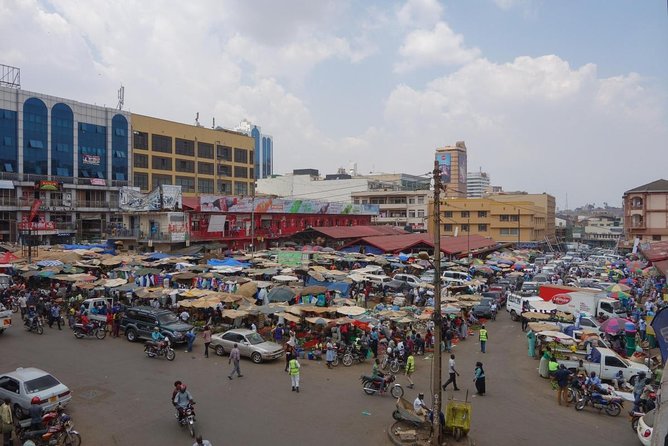
- The route crosses ten very different stops: You move from a university campus to Katanga, craft stalls, food markets, transport hubs, religious architecture, and historic monuments.
- The group is capped at 10 people: That keeps the walk more personal than a large city tour and gives you a better chance to ask questions.
- The experience shows ordinary city life: Katanga, Nakasero Market, Owino Market, and the Old Taxi Park offer a look at how Kampala works day to day.
- The tour costs $28 per person: That is fair if you value guidance, context, and help moving through unfamiliar areas, but less compelling if you only want to see the landmarks quickly.
- Expect a demanding urban walk: The route includes markets, hills, crowded streets, and busy public transport areas. Comfortable shoes and water matter.
What this Kampala walk is really trying to show you
This is not a polished parade of grand buildings. It is a four-hour look at Kampala as a working capital, where universities, markets, churches, temples, taxi parks, street commerce, and informal housing sit close together.
I like that contrast. You get an introduction to Uganda’s political past at the Independence Monument, then see produce at Nakasero Market and second-hand clothing at Owino Market. The route asks you to pay attention to how people live, shop, commute, worship, and use public space.
That broad approach is the tour’s greatest strength. You are not simply collecting photos. You are trying to understand the city’s shape and social character.
It also means you should set the right expectations. This is a walking orientation, not a museum tour. Some stops are short, with only 10 or 15 minutes available. The quality of the experience depends heavily on how much your guide explains along the way and how actively you ask questions.
The tour is offered in morning and afternoon versions. Since the walk includes open markets and busy streets, your comfort may vary with weather and crowd levels. The operator requires good weather, and a cancellation caused by rain or an unmet minimum number of participants comes with a different date or a full refund.
More walks around Kampala:
- Kampala’s Best Experience walking tour
★ 5.0 · 137 reviews - Kampala Walking City Tours (Women Guided)
★ 5.0 · 115 reviews - Kampala Walking Tour (3 Hours) with Optional Gaddafi Mosque Visit
★ 5.0 · 112 reviews
Starting at Makerere University
The walk begins at the main gate of Makerere University, with about 15 minutes spent walking through the university grounds.
That is a sensible opening. A university gives you a calmer setting before the route moves into Kampala’s crowded commercial center. It also helps introduce education and public life in Uganda, although the supplied details do not specify which buildings or campus landmarks you will visit.
Do not expect a long campus tour. This is a brief first stop, so use it to ask your guide about Makerere and Uganda’s wider political or educational story. Steve has been praised for answering questions patiently, and that kind of conversation can make a short stop more useful.
Seeing Katanga beyond the postcard
Next comes Katanga, where the walk takes you through the slum area for about 20 minutes.
This is one of the tour’s most serious stops. It offers a broader view of Kampala and shows a side of urban life that many visitors would not find easily on their own. It can also be uncomfortable. You are looking at homes and neighborhoods, not a stage set, so your guide’s tone and your own behavior matter.
I would approach this section with respect. Ask before taking photographs, listen more than you speak, and avoid treating the area as a spectacle. The stop is valuable because it adds social context, but 20 minutes is not enough to explain every issue connected with housing, poverty, or city growth.
One person found the walk through the slum emotional and humbling. Another felt the group moved through such areas too quickly, without enough explanation. That difference tells you something important: this portion needs a guide who is engaged and willing to give context rather than simply lead you from one point to the next.
Shopping at Bagala Craft
Bagala Craft is described as Kampala’s largest craft market, with about 20 minutes for shopping.
This is your main souvenir stop. You may find carved items, decorative objects, clothing, and other locally made goods, though the exact selection can change. The short time limit keeps shopping from taking over the walk, but it also means you should have a rough idea of what you want before arriving.
If you enjoy browsing, ask your guide about prices and how to compare items. Steve has helped a participant buy a Rolex, meaning Uganda’s popular street-food snack made with an egg wrapped in chapati, not a luxury watch. That detail points to one of the tour’s more useful features: local guides can help you understand small parts of daily life that a standard monument tour misses.
Do not feel obliged to buy. The value here is both the market atmosphere and the chance to see Ugandan craft work. If shopping is your main goal, you may need more time than this tour allows.
Same country, a completely different few days:
- 3 Hours Guided Cycling Tour Across Lake Victoria
★ 5.0 · 151 reviews - 3 Days gorilla trekking Safari tour in Uganda
★ 5.0 · 121 reviews - Lake Victoria Island Cycling Tour from Kampala
★ 5.0 · 120 reviews - 8-Day Murchison Falls, Chimp and Epic Gorilla Trekking Safari
★ 5.0 · 72 reviews
Understanding Uganda at the Independence Monument
At the Independence Monument, the group sits for about 20 minutes to discuss Uganda before and after independence and the meaning of the monument.
This is likely the clearest history lesson of the walk. The monument gives the guide a fixed point for discussing national change, political events, and Uganda’s place in East Africa. Several strong experiences singled out this stop as one of the day’s highlights.
I like the decision to sit down here. After moving through busy streets, a seated explanation gives you time to absorb what you have seen. The value depends on your guide’s ability to connect the monument to wider events rather than recite isolated dates.
Steve has been praised for explaining Kampala’s political and geographical background, and this is where those strengths should be most useful. If you want more detail, ask how independence changed the capital and how the city has developed since then. The tour promises a broad introduction, not a specialist political seminar, so your questions can help shape the discussion.
Tasting Kampala at Nakasero Market
Nakasero Market receives about 15 minutes. The focus is Uganda’s food production, with a chance to observe and taste different fruits.
This is a practical stop because it gets you close to the food people buy and eat. Uganda grows a great deal of its own produce, and a market visit makes that point more tangible than a lecture would.
Fifteen minutes is brief, so think of this as a taste and orientation rather than a full food tour. You may see a range of fruit and other market goods, but the exact experience depends on what is available that day.
The market also gives you another chance to ask your guide about prices, local eating habits, and the difference between markets aimed at residents and those aimed at visitors. Keep personal belongings secure in any crowded market, and follow your guide’s lead.
Entering the Shree Sanatan Dharma Mandal Temple
The tour spends around 15 minutes inside the Temple SSDM Shree Sanatan Dharma Mandal, looking at its architecture and interior beauty.
This stop adds religious and cultural variety to the route. After the university, slum, craft market, and food market, the temple changes the mood and gives you a chance to consider Kampala’s Indian and Hindu heritage.
The visit is short, so do not expect an extended religious presentation. Dress and behave respectfully, and follow any instructions given before entering. The architectural interest is the main draw, especially if you have already seen several functional commercial areas and want a quieter visual break.
The temple also helps make the route feel less predictable. This is not only a tour of colonial or national monuments. It brings in a place of worship that reflects another part of the capital’s story.
A brief stop at the World War II Memorial
The World War II Memorial takes about 10 minutes. Here, you learn about Uganda’s participation in the war and its positive and negative results.
This is a compact history stop, but it can prompt useful questions about Uganda’s connection to global events. Ten minutes does not allow for a full account, so expect a concise explanation rather than a detailed military history.
Its position in the route is helpful. The Independence Monument covers national history, while the World War II Memorial widens the frame beyond Uganda’s borders. I would listen for how your guide explains the effects on Uganda, not just the fact that Ugandans participated.
Watching Kampala work at the Old Taxi Park
The Old Taxi Park is described as organized chaos, with thousands of commuter taxis gathered to pick up passengers. The stop lasts about 10 minutes.
This may be one of the most memorable visual moments. Kampala’s taxis are central to getting around, and the park shows public transport operating at full pressure. You will not spend long here, but even a short look can help you understand why moving through central Kampala takes patience and attention.
The area is busy, so stay close to the group and watch your footing. This is observation, not a vehicle tour. The guide’s commentary matters because the scene can otherwise become a blur of vehicles and people.
One participant identified the bus station area as a highlight, which makes sense. It is a place where the city’s daily rhythm is right in front of you, noisy and practical rather than arranged for sightseeing.
Walking through Owino Market
Owino Market, also called Kampala Market, receives around 15 minutes. It is known for second-hand clothing and a wide range of other goods.
This is another major everyday-life stop. You can see the scale of informal commerce and the importance of reused clothing in the local economy. It is a useful counterpoint to Bagala Craft, where shopping is more closely connected with souvenirs.
The market may feel crowded and intense. Keep the visit focused, since you have limited time and a long route still ahead. If your guide explains how the market is organized or what people come here to buy, the stop becomes much more than a quick walk-through.
One criticism of the tour was that market sections sometimes felt rushed and under-explained. I would ask direct questions here: What is sold in this part of the market? Who shops here? How do vendors source their goods? A good guide can turn a fast pass through the stalls into a clearer picture of Kampala’s economy.
Finishing at Namirembe Cathedral
The first part of the tour ends at Namirembe Cathedral, on Cathedral Hill Road. The cathedral sits on a hill and offers a view over Kampala, with about 10 minutes allocated to the stop.
That elevated position gives you a useful final look at the city’s shape. After seeing crowded streets and markets at ground level, you can pause and take in Kampala from above.
The supplied details refer to the first part ending at Namirembe Cathedral and the second part at Kasubi Tombs. They also list Namirembe as the final stop of the ten-stop route, so confirm the precise endpoint when you book. This matters if you have a taxi waiting, a meal planned, or a separate afternoon activity.
The cathedral stop itself is short. You should not expect a long interior visit or a full architectural tour unless your guide includes more time than the basic schedule suggests.
How the guides shape the experience
The guide is the biggest variable. Steve is praised for local advice, history, patience, photographs, and practical help. One participant said he waited while an Uber issue was sorted, and another appreciated his help finding a Rolex. Those small acts can matter when you are still finding your feet in Kampala.
Getrude is described as very well informed about the city and its past, while Ben is praised for being friendly and explaining both history and local culture. The experience may therefore differ depending on who leads your walk.
The strongest version of this tour is conversational. Ask questions, say what interests you, and mention any physical limitations early. Steve has adjusted the experience to suit different interests and physical needs, which is encouraging.
The weaker version is more mechanical. One participant felt the guide recited facts, stayed quiet during long stretches, rushed through markets, and finished abruptly after about three hours. I cannot promise every departure will have the same energy, so treat the guide’s interaction as a key part of your booking decision.
Is $28 a fair price for four hours?
At $28 per person, the cost is reasonable for a small-group city orientation if you value local interpretation. The maximum group size is 10, and you cover a wide area with a guide who can help you navigate unfamiliar markets and public spaces.
The price is less attractive if you mainly want a checklist of monuments. Most stops are brief, and several locations are free to enter. You are paying for the route, explanation, local judgment, and the confidence of moving through places you might not visit alone.
The advertised duration is about four hours, but one experience lasted only three. If your walk finishes early or includes long quiet stretches, the value drops. I would ask at the start how the timing and final stop will work.
Who should book this walk?
I would recommend it to a first-time visitor who wants to understand Kampala beyond major buildings. It suits people who enjoy markets, public transport scenes, social context, and conversations about Uganda’s past and present.
It also works well for solo visitors who want a small group and a local guide. The group limit helps, and the guides have offered advice about getting around and places to eat, including a recommendation for 2K’s restaurant.
You may want another kind of tour if you prefer polished sightseeing, long visits inside historic buildings, or a tightly timed schedule. The route is physically active and can feel demanding in heat or crowds. It is also not the best match if you are uncomfortable visiting a slum area, even when the purpose is to gain context.
Practical details worth knowing
Your booking confirmation arrives at the time of booking, and the tour uses a mobile ticket. The start is in Kampala, with the meeting point identified as the Makerere University main gate.
Most people can participate, service animals are allowed, and the tour is near public transportation. The operator says the group can include up to 10 people. Since the route includes markets and public streets, wear comfortable shoes and carry water.
Cancellation is free up to 24 hours before the start time for a full refund. Within 24 hours, refunds are not available and changes are not accepted. The activity requires good weather and a minimum number of participants, so a cancellation by the operator may result in another date or a full refund.
Should you book Steve Kampala Walking Tours?
Book this walk if you want a wide-angle look at everyday Kampala, especially markets, transport, food, religion, and modern city life. At $28, it can be good value when Steve, Getrude, or Ben brings the route to life with questions, stories, and practical help.
I would not book it expecting every minute to be packed with commentary. The schedule is ambitious, the stops are short, and the experience can lose energy if the guide moves on autopilot. Ask for an active, explanatory walk when you meet, confirm the endpoint, and allow some flexibility in your day.
For a curious first visit, the contrasts are the point: a university, Katanga, craft stalls, national monuments, markets, a temple, a taxi park, and a cathedral hill. That is a useful introduction to Kampala, provided you are ready to walk, listen, and accept the city as it is.
FAQ
How long does the Kampala walking tour last?
The advertised duration is approximately four hours. One reported experience finished after about three hours, so you should allow flexibility and confirm the timing with your guide at the start.
How much does the tour cost?
The listed price is $28 per person.
How large is the group?
The tour has a maximum of 10 participants.
Where does the tour start?
The meeting point is in Kampala at the main gate of Makerere University.
Where does the tour end?
The route lists Namirembe Cathedral as the final stop. The meeting details also refer to the first part ending at Namirembe Cathedral and the second part at Kasubi Tombs, so confirm the exact endpoint when booking.
Can I choose a morning or afternoon departure?
Yes. Morning and afternoon tour options are available.
What happens if the weather is poor?
The experience requires good weather. If the operator cancels because of poor weather, you will be offered another date or a full refund.
What is the cancellation policy?
You can cancel at least 24 hours before the start time for a full refund. Cancellations or changes made within 24 hours are not accepted for a refund.
Latest into the Kampala lineup
- Uganda: 3-Day Gorilla Experience from Entebbe★ 5.0 · 2 reviews
- Uganda Equator Tour From Kampala To Kayabwe★ 5.0 · 4 reviews
- Uganda: 1-Day Murchison Falls Park Safari with Boat cruise★ 5.0 · 3 reviews
- 3-Day Mind Refreshing in Murchison Falls National Park★ 5.0 · 4 reviews
- Entebbe kampala airport transfers★ 5.0 · 3 reviews
- Weekend Package B★ 5.0 · 7 reviews
- 15 Day Gorillas, Chimps and Big 5 Safari Tour★ 5.0 · 5 reviews
- Uganda 4 days Gorilla Trekking★ 5.0 · 3 reviews
Walking Tours, compared.
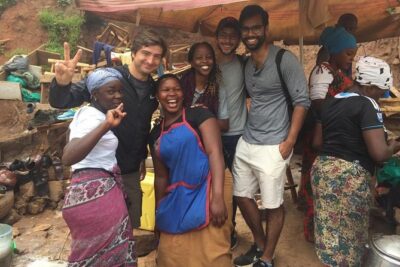
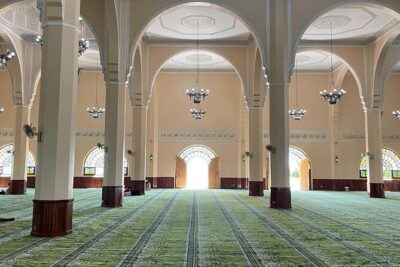
Kampala Walking Tour (3 Hours) with Optional Gaddafi Mosque Visit
Read our review →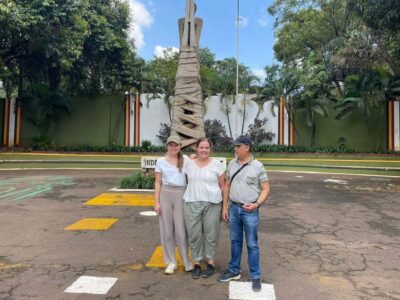

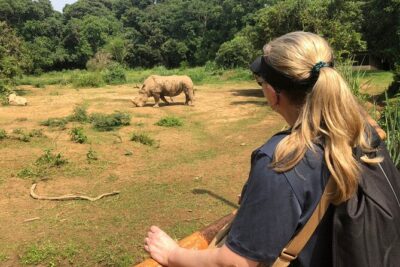
Entebbe Walking Tour (3 Hours) with Zoo and Botanical Gardens Options
Read our review →Browse the lists this tour appears in