
Review · FOOD & DRINK
Cooking Class for Typical Ugandan Food in Kampala
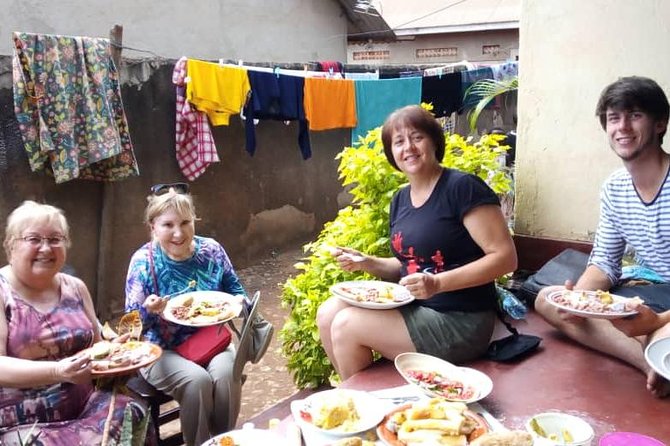
Food can explain a place faster than a museum. This four-hour Kampala workshop lets you work with cassava, yams, pumpkin, plantains, and banana leaves while learning how ordinary Ugandan ingredients become a shared meal. I like the small group limit of 10, which gives the session a personal feel, and I like that you eat the food you help prepare rather than simply watching a demonstration. The main consideration is the meeting point: Steve Residence on Little Muheji School Road in Nansana may require some planning if you are staying elsewhere in Kampala.
Gertrude is the host, and her young son may be part of the welcome. The setting is her home, not a formal restaurant kitchen, so you should expect conversation, practical work, and a relaxed household atmosphere. This is a vegetarian-only experience, which is ideal if you want plant-based Ugandan staples but less suitable if you are looking for meat or fish dishes.
In This Review
- What makes this Kampala cooking class special
- Arriving at Steve Residence in Nansana
- Four hours of peeling, slicing, and cooking
- Learning matooke and Ugandan plant-based cooking
- A home visit with Gertrude and her son
- Why the small group size matters
- The final meal and what you actually gain
- Is $32 a fair price?
- Weather, timing, and cancellation details
- Who will enjoy this experience most?
- Should you book the Kampala cooking class?
- FAQ
- Where does the cooking class start?
- Where does the activity finish?
- How long does the cooking class last?
- How many people can join?
- What kind of food do you prepare?
- Is the meal included?
- Who hosts the cooking class?
- How far in advance is the class usually booked?
- Can you cancel for a full refund?
What makes this Kampala cooking class special
- You prepare food from start to finish: Peel, slice, cook, and eat the ingredients instead of standing back while someone else does the work.
- Matooke takes center stage: Learn about this classic Ugandan staple made from cooking bananas, along with other plant-based dishes.
- Banana leaves are part of the process: You get a closer look at how local ingredients are prepared and used in traditional cooking.
- Gertrude hosts from her home: The experience includes conversation, stories, and a friendly family setting rather than a polished commercial studio.
- The group stays small: With no more than 10 participants, you should have a fair chance to ask questions and handle the ingredients.
- The meal is included in the experience: Once the cooking is finished, you sit down and enjoy the food together.
Arriving at Steve Residence in Nansana
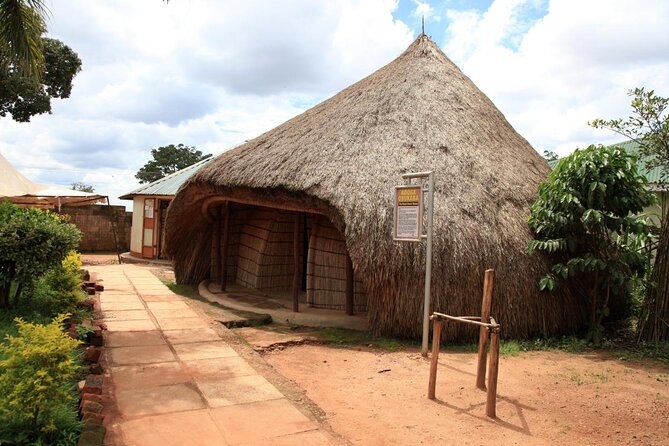
The class begins at Steve Residence, Little Muheji School Road, Nansana, Uganda. The activity returns to this same meeting point at the end, so you do not need to arrange a separate finish across town.
The meeting point is near public transportation, which helps, but the address still deserves attention before you book. Kampala and Nansana can cover a considerable distance depending on your starting point, traffic, and the time of day. I would confirm the exact route and allow extra time, especially since this is a home-based activity rather than a clearly marked tourist attraction.
Gertrude has been helpful with communication, including arranging transportation to her home for at least one booking. That does not mean transport is automatically included for everyone, so you should ask about your own pickup needs before the day begins. The practical point is simple: get the meeting details in writing and do not assume the class starts in central Kampala.
The setting matters. A home gives you a more personal connection to the food and the host, but it may not have the signs, reception desk, or formal kitchen layout you would find at a cooking school. If you enjoy local contact and do not need a polished venue, this is part of the appeal.
Eating and drinking around Kampala:
- Kampala: Three-Hour Food Tour
★ 4.6 · 15 reviews - Private Ugandan Food Cooking Class and Culture Experience
★ 5.0 · 6 reviews - Nighttime Boda Boda Street Food Tour
★ 5.0 · 6 reviews
Four hours of peeling, slicing, and cooking
The class lasts about four hours, which gives you enough time to do more than learn one quick recipe. You work through the basic stages of a Ugandan meal: preparing produce, cooking the ingredients, and sitting down to eat.
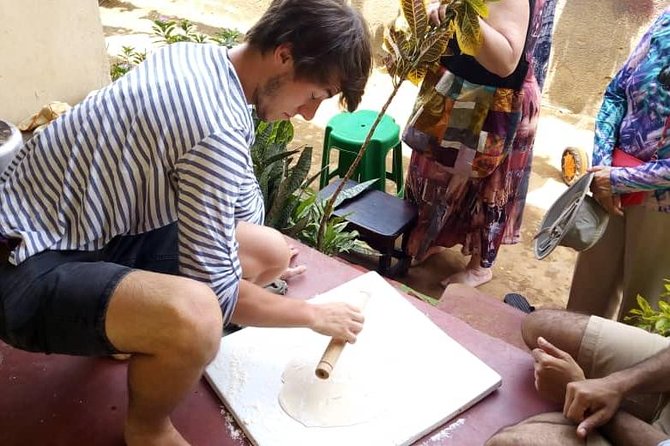
The hands-on work begins with local staples such as cassava, yams, pumpkin, and plantains. You peel and slice the produce, then learn how it is processed for cooking. These tasks may sound simple, but they are useful because they show the food in its everyday form. You are not just tasting a finished dish. You are seeing what the ingredients look like before they reach the table and taking part in the labor behind the meal.
I like this format for anyone who wants practical food knowledge. You can watch how each item is handled, ask questions as you work, and pay attention to texture and preparation. The class is not described as a recipe-heavy course with printed measurements, so you should think of it as a cultural cooking lesson and a chance to learn methods you may be able to adapt at home.
The work is shared. You peel, cook, and eat together, making the class feel more like a meal with a family than a technical training session. If you prefer to sit quietly and take photographs, this may feel too active. The value comes from handling the food yourself.
Learning matooke and Ugandan plant-based cooking
Matooke is one of the key dishes associated with the class. It is made from cooking bananas and is a staple of Ugandan food. The process gives you a useful introduction to the role of bananas beyond the sweet fruit commonly eaten as a snack.
You also learn about other vegetarian dishes prepared from local produce. The exact menu can vary, and the available description does not provide a fixed list of every finished dish. Still, the focus is clear: traditional, plant-based Ugandan food prepared with ingredients such as cassava, yams, pumpkin, plantains, and cooking bananas.
One especially memorable part is the use of banana leaves. They are not merely decorative tableware. You learn how food is peeled, processed, and consumed in a traditional way that makes use of materials found in local cooking. For you, this adds a visual and tactile element that a standard restaurant meal cannot provide.
The class also includes groundnut sauce, which has been singled out as a favorite part of the meal. Groundnuts are peanuts, and the sauce adds a different flavor and texture to the vegetables and staples. If you already enjoy peanut-based sauces, this may be one of the best reasons to take the class. If you have a peanut allergy, you should check the menu before booking, since groundnut sauce is specifically part of the cooking experience.
A home visit with Gertrude and her son
Gertrude is central to the experience. Her warmth, communication, and friendliness shape the class as much as the food does. The time can include chatting, dancing, sharing stories, and learning about Kampala City alongside the cooking.
Her son may also be present, adding to the family atmosphere. This is not a staged cultural show. You are spending time in a private home, helping with food and sharing a meal. That can make the visit feel especially personal, though it also means you should arrive with the flexibility and courtesy you would bring when visiting someone’s house.
I would choose this class if you value conversation as much as instruction. Gertrude explains how the vegetables are cooked, introduces the plants used in everyday life, and creates space for questions. You are likely to remember the people and the setting as much as the recipes.
The home also has a good view, offering a pleasant photo opportunity while the food cooks. The view is an added feature rather than the main purpose of the activity, but it gives you something to enjoy during waiting time. Ask before taking photographs of people or household spaces, and keep the focus on sharing the moment respectfully.
Same country, a completely different few days:
- 3 Hours Guided Cycling Tour Across Lake Victoria
★ 5.0 · 151 reviews - Kampala’s Best Experience walking tour
★ 5.0 · 137 reviews - 3 Days gorilla trekking Safari tour in Uganda
★ 5.0 · 121 reviews - Lake Victoria Island Cycling Tour from Kampala
★ 5.0 · 120 reviews
Why the small group size matters
The class accepts a maximum of 10 participants. That is small enough to make a real difference during hands-on preparation. With fewer people around the work area, you should have more opportunity to peel ingredients, ask Gertrude questions, and watch the cooking closely.
A group of 10 is not the same as a private lesson. You may still share tasks and attention with other people, especially if the class fills. Yet the cap keeps the experience from becoming a large demonstration where you can barely see the food.
The small size also supports the social side of the visit. Cooking is easier when everyone can talk and work together. You may leave with a better sense of how the meal came together because you took part in several stages, not just one.
For solo participants, this format can be a good way to meet people without committing to a full-day group excursion. For couples or families, it provides enough structure to keep the morning moving while leaving room for conversation.
The final meal and what you actually gain
At the end, you sit down and eat the meal prepared during the class. This is a satisfying finish, but it also serves a practical purpose. You can taste the balance between the staples, vegetables, and groundnut sauce while the preparation is still fresh in your mind.
The meal is vegetarian and based on traditional plant recipes. If you are seeking an introduction to Ugandan food without meat, it is a strong fit. If your main goal is to learn popular meat dishes, this class will not meet that need.
I value the chance to eat food immediately after preparing it. You can compare what you expected with what you taste, then ask Gertrude about serving ideas or cooking methods. The supplied information does not promise a recipe booklet or formal take-home materials, so bring a notebook if you want to record ingredients and techniques.
The biggest gain is cultural context. Cassava, plantains, pumpkins, yams, cooking bananas, banana leaves, and groundnuts are not presented as exotic props. They are treated as food used in everyday life. That ordinary quality is exactly what makes the lesson useful.
Is $32 a fair price?
At $32 per person, the class offers four hours of instruction, food preparation, a sit-down meal, and time with a local host. I consider that good value if you want more than a quick tasting. You are paying for participation, not just a plate of food.
The price is easiest to justify when you make full use of the session. Ask questions, handle the ingredients, note the cooking methods, and take part in the conversation. If you only want to eat Ugandan food, a restaurant will likely be a simpler choice. This experience gives you the story and process behind the meal.
The maximum of 10 helps protect the value. A small group means your fee is supporting a more personal exchange rather than a large production. The home setting also keeps the experience grounded in everyday cooking instead of turning it into a formal culinary performance.
Since it is often booked about eight days ahead, I would reserve before arriving in Kampala if the date matters to you. That lead time suggests you should not count on finding a place at the last minute, particularly if you have limited time in the city.
Weather, timing, and cancellation details
The experience requires good weather. If poor weather causes a cancellation, you are offered another date or a full refund. That condition is worth noting because the class includes getting to a home meeting point and may involve conditions outside the kitchen.
You can cancel for a full refund up to 24 hours before the start time. Cancellations or changes made less than 24 hours before the experience are not refunded or accepted. The cut-off follows local time in Uganda, so check the clock carefully if you are booking from another country.
The four-hour duration makes this a half-day commitment. I would avoid placing it too close to a flight, long transfer, or another fixed appointment. The class begins and ends at the same meeting point, but traffic and weather can still affect the time around it.
Who will enjoy this experience most?
I would recommend this class to you if you:
- Like cooking with your hands rather than watching a demonstration
- Want to learn about everyday Ugandan ingredients
- Prefer vegetarian food
- Enjoy small groups and relaxed conversation
- Appreciate home-based cultural experiences
- Have at least half a day in Kampala
- Want a meal you can try to recreate at home
It may not suit you if you want a restaurant-style kitchen, a guaranteed meat menu, or a tightly timed sightseeing stop. It also may not be the right choice if you dislike household settings or need a fully specified menu in advance.
Families may enjoy the practical work, though the supplied details do not set a minimum age. If you are booking with children, ask the provider about age suitability before paying. The same applies to dietary restrictions, since the class is vegetarian but specifically includes groundnut sauce.
Should you book the Kampala cooking class?
I would book this experience if your idea of a good food tour includes meeting the host, preparing the ingredients, and sitting down to share the finished meal. Gertrude’s friendly hosting, the use of banana leaves, the groundnut sauce, and the chance to learn about local plants give the morning a personal character that a standard food stop cannot match.
The decision comes down to expectations. Choose it for a warm home visit and practical introduction to Ugandan vegetarian cooking, not for a formal chef-led course with a precise recipe syllabus. Confirm the Nansana meeting point, ask about transportation, check the groundnut ingredients, and leave enough time around the four-hour session.
At $32, the experience earns its price through participation and hospitality. If you want to understand Ugandan food by helping prepare it, this is a worthwhile half-day choice in Kampala.
FAQ
Where does the cooking class start?
The class starts at Steve Residence, Little Muheji School Road, Nansana, Uganda.
Where does the activity finish?
The activity ends back at the meeting point at Steve Residence.
How long does the cooking class last?
The class lasts approximately four hours.
How many people can join?
The activity has a maximum of 10 participants.
What kind of food do you prepare?
You prepare typical Ugandan vegetarian food using ingredients such as cassava, yams, pumpkin, plantains, and cooking bananas for matooke.
Is the meal included?
Yes. You sit down and eat the traditional plant-based meal prepared during the class.
Who hosts the cooking class?
Gertrude hosts the experience, and her son may also be present during the visit.
How far in advance is the class usually booked?
It is booked an average of eight days in advance.
Can you cancel for a full refund?
Yes. You can cancel at least 24 hours before the start time for a full refund. Changes or cancellations made less than 24 hours before the start time are not accepted or refunded.
Latest into the Kampala lineup
- Uganda: 3-Day Gorilla Experience from Entebbe★ 5.0 · 2 reviews
- Uganda Equator Tour From Kampala To Kayabwe★ 5.0 · 4 reviews
- Uganda: 1-Day Murchison Falls Park Safari with Boat cruise★ 5.0 · 3 reviews
- 3-Day Mind Refreshing in Murchison Falls National Park★ 5.0 · 4 reviews
- Entebbe kampala airport transfers★ 5.0 · 3 reviews
- Weekend Package B★ 5.0 · 7 reviews
- 15 Day Gorillas, Chimps and Big 5 Safari Tour★ 5.0 · 5 reviews
- Uganda 4 days Gorilla Trekking★ 5.0 · 3 reviews
Food & Drink, compared.

Private Ugandan Food Cooking Class and Culture Experience
Read our review →
Kampala Bar Crawl, Beer Tasting and Street Food (6 Hours)
Read our review →
Browse the lists this tour appears in