
Review · FOOD & DRINK
Private Ugandan Food Cooking Class and Culture Experience
Food is the fastest route into local life. This private Ugandan cooking class takes you from a local market to Sylvia’s family home, where you choose fresh ingredients, cook over fire, dance, laugh, and eat together. I like the market visit because it gives the meal a real sense of place, and I like the traditional cooking methods, especially the smoky flavor from food prepared over fire. One practical point: the experience is listed under Kampala, but the meeting point is in Entebbe.
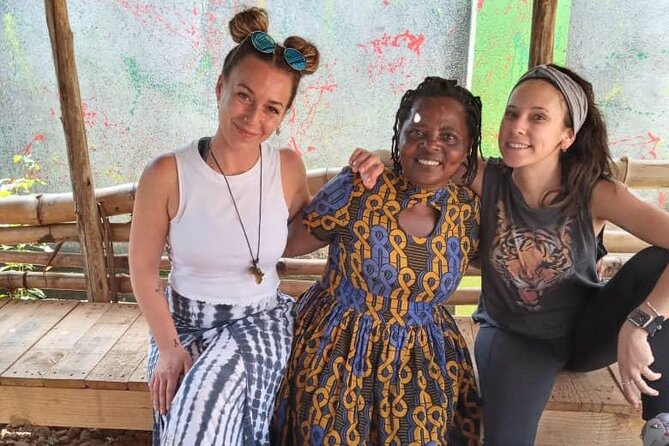
The warm family setting is the heart of the experience. Sylvia and her daughter Helen lead the visit with an easy welcome, beginning with spiced Ugandan tea and ending with a generous lunch. The three-and-a-half-hour schedule is long enough for conversation and cooking, though it may feel slow if you want a quick demonstration rather than hands-on participation.
In This Review
- Key points at a glance
- From Entebbe market to the family kitchen
- Spiced tea sets the tone
- Cooking three Ugandan recipes over fire
- A family welcome that shapes the whole visit
- Lunch is the payoff, not an afterthought
- Dietary needs and what to request
- Timing, location, and practical planning
- Who will enjoy this most
- Should you book Sylvia’s Ugandan cooking class?
- FAQ
- Where does the cooking class begin?
- Where does the activity end?
- How long does the experience last?
- How much does the experience cost?
- Is this a private activity?
- Is lunch included?
- Are alcoholic drinks included?
- Can the recipes be adapted for dietary needs?
- What is the cancellation policy?
Key points at a glance
- Start at a real local market: Choose the produce used in your meal instead of watching ingredients appear from nowhere.
- Cook in a traditional Ugandan home: The setting offers a more personal view of daily life than a polished culinary studio.
- Prepare about three dishes: Recipes can be adjusted to be gluten free, vegetarian, or dairy free when requested.
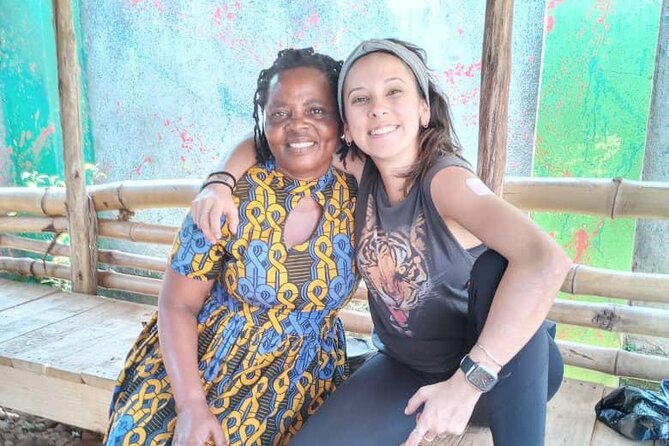
- Meet Sylvia and Helen: Their family hospitality is a major part of the visit, not a side detail.
- Eat a home-cooked lunch: Your meal includes generous portions, Ugandan spiced tea, and coffee or tea.
- Enjoy a private experience: Only your group takes part, with a listed price of $45 per person.
From Entebbe market to the family kitchen
The experience begins at 61 Kiwafu Road in Entebbe. Although the tour is described as a Kampala experience, this address matters when you plan your day. Check the route carefully and allow enough time to reach Entebbe before the start.
The first activity is a visit to a local market with Sylvia and, in some accounts, her daughter Helen. This is more useful than a simple stop for photographs. You help select the ingredients for the meal, which gives you a direct connection to what you later cook and eat.
A market also adds context to Ugandan food. Instead of hearing a list of ingredients in a classroom, you see the vegetables and other produce at the point where the meal begins. You can ask questions as you shop, notice what is available locally, and learn how a home cook makes choices for a shared meal.
The market portion is also a good reason to wear comfortable shoes and clothing. The experience includes walking to the market, according to the supplied descriptions, so this is not a sit-down class from start to finish.
Eating and drinking around Kampala:
- Cooking Class for Typical Ugandan Food in Kampala
★ 5.0 · 25 reviews - Kampala: Three-Hour Food Tour
★ 4.6 · 15 reviews - Nighttime Boda Boda Street Food Tour
★ 5.0 · 6 reviews
Spiced tea sets the tone
Back at the home, you are greeted with traditional Ugandan spiced tea. It is a small detail, but it helps shift the mood from sightseeing to visiting.
The tea gives you time to meet Sylvia and her family before the cooking begins. This matters because the class is built around personal contact. You are not simply watching a local cook perform a recipe. You are spending time in a family kitchen and taking part in the rhythm of preparing food together.
The welcome is especially useful if you are new to Ugandan food. Tea offers an easy starting point for conversation, and it gives Sylvia a chance to explain what you will prepare. The pace appears relaxed rather than tightly timed, so you should expect room for talking, laughing, and learning as you go.
Cooking three Ugandan recipes over fire
You help prepare about three recipes during the class. The exact dishes are not specified, so you should not book this expecting a fixed menu. That flexibility is part of the appeal, since the meal is based on fresh market ingredients and can be adjusted to suit dietary needs.
The food is prepared traditionally over fire. This is one of the most distinctive parts of the experience. Cooking over fire takes the class beyond ingredient recognition and recipe instruction. You get a sense of older household methods and the smoky flavor they can bring to food.
Sylvia’s background also gives this part a clear purpose. She grew up in a rural village in western Uganda, and the class preserves food preparation methods that are becoming less common as cooking becomes more westernized. You are not being offered a generic African cooking demonstration. The experience aims to show how food is prepared in a Ugandan family setting, using methods tied to Sylvia’s upbringing.
That does not mean every moment will feel polished or restaurant-like. A traditional home kitchen may be less predictable than a professional cooking school. You may spend time waiting for food to cook, helping with simple tasks, or adjusting to a pace that is more social than instructional. If you want precise measurements and a printed lesson plan, this may not be your best choice.
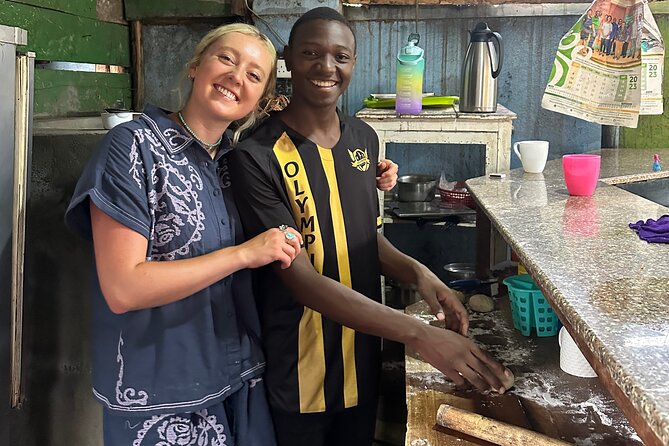
If you prefer to take part, though, the informal format works well. You can help prepare the dishes, ask questions, and learn through doing. The class is best approached as a shared meal in progress, not as a formal chef-training session.
A family welcome that shapes the whole visit
Sylvia is described as warm, happy, and strongly focused on bringing people together through food. Her daughter Helen is also involved, including the market visit. The family presence is not a minor feature. It is what gives the class its emotional pull.
You will have opportunities to laugh, dance, and talk while the food is prepared. These activities may sound simple, but they change the experience from a technical lesson into a social visit. Food becomes the reason for meeting, while conversation and family connection become the lasting part.
The private format helps here. Only your group participates, so you do not have to compete with a large class for attention. You can ask questions at your own pace and spend more time talking with Sylvia and her family.
The private setup is especially suitable for couples, families, and solo visitors who want direct contact with a local household. It may also work well for friends who enjoy relaxed activities and do not mind getting involved. The class is less suited to someone who prefers a fast schedule, a large professional kitchen, or a strictly structured demonstration.
Same country, a completely different few days:
- 3 Hours Guided Cycling Tour Across Lake Victoria
★ 5.0 · 151 reviews - Kampala’s Best Experience walking tour
★ 5.0 · 137 reviews - 3 Days gorilla trekking Safari tour in Uganda
★ 5.0 · 121 reviews - Lake Victoria Island Cycling Tour from Kampala
★ 5.0 · 120 reviews
Lunch is the payoff, not an afterthought
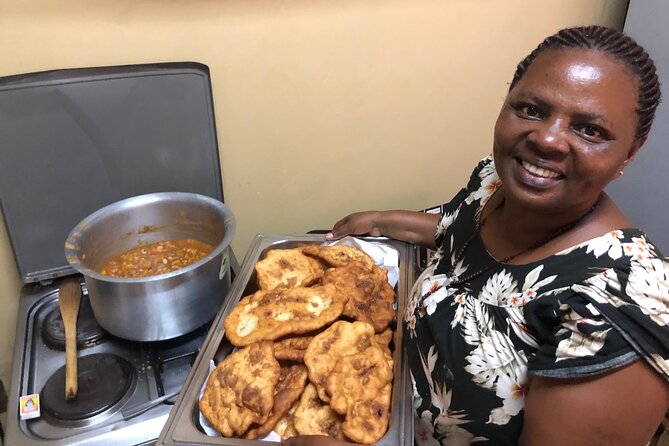
Lunch is included, and the portions are described as generous. That is important because the meal is the point toward which the whole visit builds. You first see the ingredients, then help prepare them, and finally eat the result with the family.
The meal is served in the same home where you cook. That keeps the experience connected from beginning to end. You are not taken to a separate restaurant after the lesson, and you are not handed a plate made by someone else.
Coffee and tea are included as well, while alcoholic drinks are not. The initial spiced tea is part of the welcome, and the included drinks make the $45 price easier to assess. You are paying for a market visit, a private guide, hands-on cooking, a family setting, and lunch, rather than for food alone.
The value is strongest if you care about local contact and traditional preparation. If you measure a cooking class only by the number of recipes or the amount of formal instruction, you may find the price less compelling. If you want a personal cultural experience with a meal attached, $45 per person is a reasonable package for a private three-and-a-half-hour visit.
Dietary needs and what to request
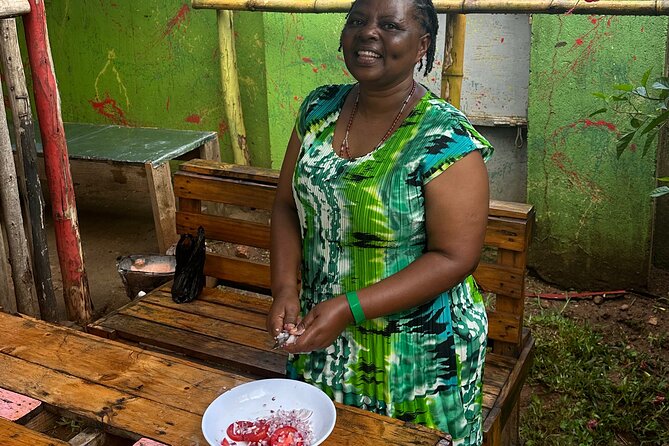
The recipes can be made gluten free, vegetarian, or dairy free upon request. You should raise your needs when booking rather than waiting until the cooking starts. The information does not specify other dietary accommodations, so ask clearly about any requirement that falls outside these options.
The ability to adjust the recipes is a real advantage for a private class. A fixed group lesson may offer little room to change the menu, while a private family meal can be planned with your preferences in mind.
Still, do not assume that every adaptation is automatic. The menu is not published in advance, and the ingredients depend on what is selected at the market. If you have a serious allergy, explain it directly before the visit and confirm that the kitchen can accommodate it.
Timing, location, and practical planning
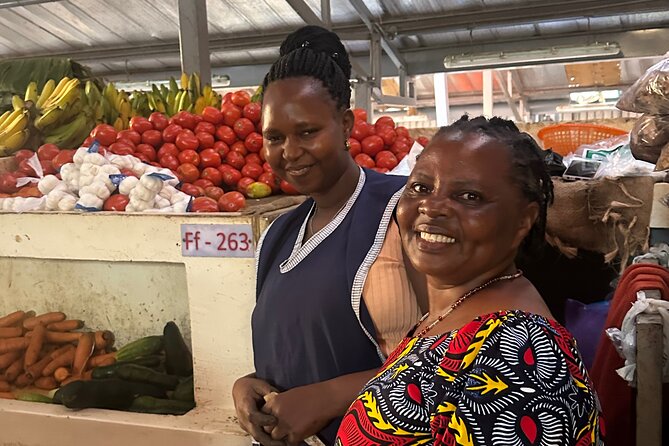
The activity lasts about three hours and 30 minutes. That includes the market visit, the return to the home, the cooking, social time, and lunch. Keep the rest of your schedule light. A class designed around family hospitality can run at a relaxed pace, and rushing away would undercut much of its value.
The meeting point is 61 Kiwafu Road, Entebbe, Uganda, and the activity ends back there. Public transportation is nearby, according to the supplied details. The experience offers a mobile ticket, and confirmation is received at the time of booking.
The Kampala label could cause confusion, so pay more attention to the Entebbe address when planning. If your accommodation is in Kampala, allow for the journey to Entebbe and confirm how you will reach the meeting point. No transfer service is listed among the included features.
This is a private activity, which means only your own group participates. That makes it easier to discuss food preferences and ask personal questions. It also means the price is quoted per person, so the total cost depends on the size of your group.
Free cancellation is available if you cancel at least 24 hours before the start time. Cancellations within 24 hours are not refunded, and changes made inside that period are not accepted. The cut-off follows local time.
Who will enjoy this most
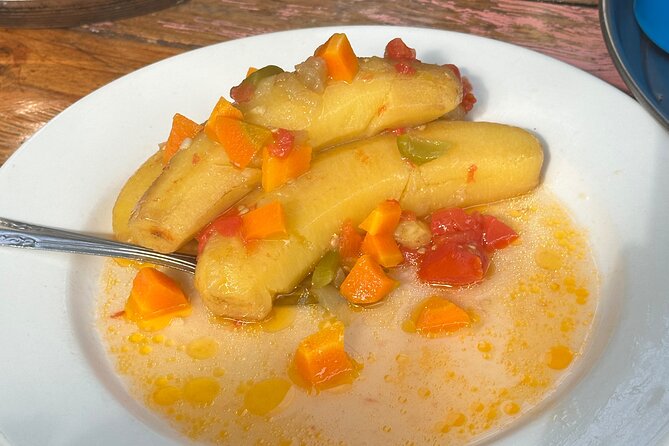
I would choose this experience if you want to meet local people through an ordinary household activity. It suits an adventurous solo visitor who wants company, a couple looking for a personal cultural outing, or a family seeking something more meaningful than a standard city tour.
It is also a good choice for anyone interested in food traditions that are still practiced at home. The use of local produce, the market visit, the family kitchen, and the cooking over fire all add substance to the day.
Families with children may appreciate the dancing, market visit, and hands-on tasks, though the supplied information does not give a minimum age or child-specific program. Ask the provider if you are booking for young children.
You should think twice if you need a fixed menu, a precise timetable, or detailed culinary training. The class is about connection, cooking, and sharing a meal. It is not presented as a professional certification course or a restaurant-style workshop.
Should you book Sylvia’s Ugandan cooking class?
Book it if you want food to open the door to family life in Uganda. The market visit gives the meal a genuine beginning, the traditional fire cooking adds a strong sense of place, and Sylvia and Helen make the class feel personal rather than staged.
The main caution is location and pace. You will need to get to Entebbe, even though the experience is associated with Kampala, and the relaxed family format may take longer than a tightly scheduled class. For the right visitor, those are small trade-offs for a private lunch, local ingredients, and time spent cooking with a Ugandan family.
FAQ
Where does the cooking class begin?
The experience begins at 61 Kiwafu Road, Entebbe, Uganda.
Where does the activity end?
The activity ends back at the meeting point in Entebbe.
How long does the experience last?
The experience lasts approximately three hours and 30 minutes.
How much does the experience cost?
The listed price is $45 per person.
Is this a private activity?
Yes. Only your group participates in the activity.
Is lunch included?
Yes. Lunch is included, along with coffee and/or tea.
Are alcoholic drinks included?
No. Alcoholic beverages are not included.
Can the recipes be adapted for dietary needs?
Yes. The recipes can be made gluten free, vegetarian, or dairy free upon request.
What is the cancellation policy?
You can receive a full refund if you cancel at least 24 hours before the experience start time. Cancellations or changes made within 24 hours are not accepted, and the amount paid is not refunded.
Latest into the Kampala lineup
- Uganda: 3-Day Gorilla Experience from Entebbe★ 5.0 · 2 reviews
- Uganda Equator Tour From Kampala To Kayabwe★ 5.0 · 4 reviews
- Uganda: 1-Day Murchison Falls Park Safari with Boat cruise★ 5.0 · 3 reviews
- 3-Day Mind Refreshing in Murchison Falls National Park★ 5.0 · 4 reviews
- Entebbe kampala airport transfers★ 5.0 · 3 reviews
- Weekend Package B★ 5.0 · 7 reviews
- 15 Day Gorillas, Chimps and Big 5 Safari Tour★ 5.0 · 5 reviews
- Uganda 4 days Gorilla Trekking★ 5.0 · 3 reviews
Food & Drink, compared.
Cooking Class for Typical Ugandan Food in Kampala
Read our review →
Kampala Bar Crawl, Beer Tasting and Street Food (6 Hours)
Read our review →
Browse the lists this tour appears in