Review · CITY TOURS
Kampala City Tour – Full Day
Kampala rewards a full day of looking closely. This private tour links Uganda’s capital with Buganda’s royal past, religious landmarks, busy markets, old academic buildings, and broad city views from Gaddafi National Mosque. I especially like the private 4WD transport, which keeps the day simple, and the way lunch, water, and selected entrance fees are included. You also get a driver-guide to explain what you are seeing instead of being left to connect the dots alone.
The mosque’s minaret is a major highlight, giving you a 360-degree view over Kampala’s famous seven hills. I also like the tour’s range: Kabaka’s Palace, Kasubi Tombs, Makerere University, the Baha’i Temple, and Uganda Martyrs Shrine each show a different side of the city. The main drawback is the pace. Nine to ten hours is a long day, and the schedule covers a lot of ground. The Uganda National Museum is also closed for renovations until late 2025, and the Baha’i Temple is closed on Mondays.
At $265 per person, this is not a budget city outing. It makes more sense if you value a private vehicle, a full itinerary, included lunch, and door-to-door pickup. A shared tour could cost less, but it would be harder to cover this many places in one day.
In This Review
- Key points before you book
- What this full day in Kampala is really like
- Nakasero Market and Kampala’s central streets
- Kabaka’s Palace and the Buganda royal route
- Gaddafi National Mosque and the seven-hill view
- Kasubi Tombs and Buganda’s spiritual center
- Makerere University and the story of modern Uganda
- Kalerwe Market and the Baha’i Temple
- The Uganda National Museum closure
- Lunch, Uganda Martyrs Shrine, and the final stop
- Is $265 per person good value?
- Who will enjoy this Kampala tour?
- Should you book it?
- FAQ
- What time does the Kampala City Tour begin?
- How long does the tour last?
- Is transportation included?
- Is lunch included?
- Is the tour private?
- Is the Uganda National Museum open during the tour?
- Is the Baha’i Temple open every day?
Key points before you book
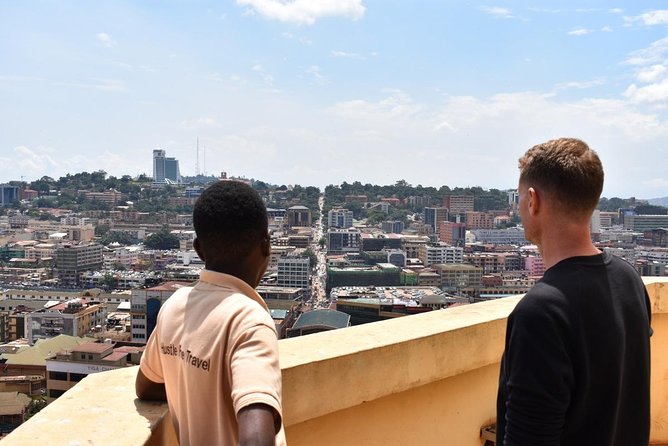
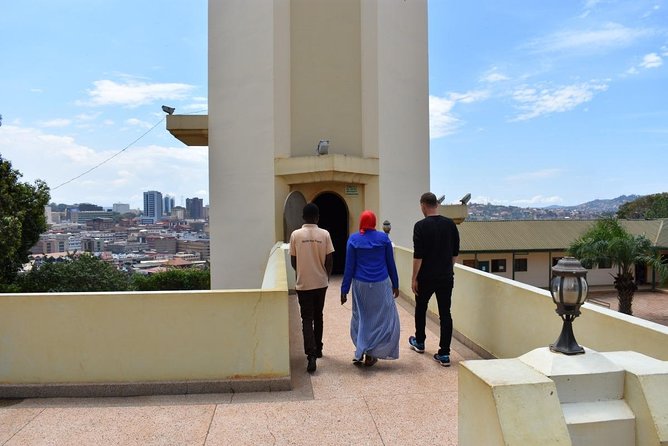
- Gaddafi National Mosque gives you the best wide view of Kampala: Climb the minaret for a look across the city’s seven hills, with Fort Lugard and Old Kampala Senior Secondary School visible below.
- Kabaka’s Palace brings Buganda’s royal story to life: The visit includes the Idd Amin Armory, palace images, the Royal Mile, Bulange, clan symbols, and the Nantawetwa monument.
- Kasubi Tombs is a major cultural and spiritual stop: This UNESCO World Heritage Site is the burial place of four former kings of Buganda.
- The day includes real city scenes, not only monuments: Nakasero Market, Kalerwe Market, Hindu temples, and Kampala’s central streets add everyday life to the sightseeing.
- Lunch and water are included: You can keep moving without arranging a midday meal yourself, though soft drinks and alcohol cost extra.
- The museum visit is currently unavailable: The Uganda National Museum is closed for renovation and is expected to reopen in late 2025.
What this full day in Kampala is really like
The tour starts at 8:30 a.m. and lasts roughly nine to ten hours. Pickup is offered from any location, and the outing is private, so only your group joins the vehicle. That matters in Kampala, where a fixed route and a driver who knows the planned stops can save time and reduce the usual hassle of arranging transport between sites.
You ride in a 4WD minibus with an English-speaking driver-guide. The format is part sightseeing tour and part history lesson. You will see monuments from the vehicle, stop for photos, and spend longer at the main attractions. Since the tour moves from central Kampala into the suburbs, expect a broad introduction rather than a slow walking tour of one neighborhood.
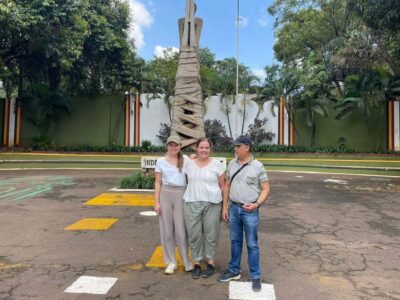
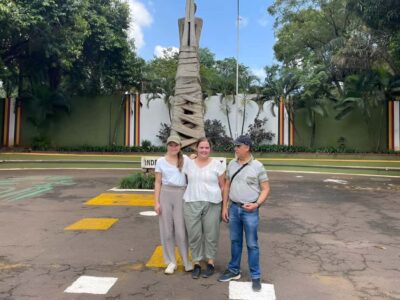
The opening section focuses on Kampala CBD and the upper part of the city. You pass the Independence Monument, Mutesa II Monument, World War II Monument, Parliamentary Building, Bank of Uganda, Uganda National Cultural Centre, and Kampala Capital City Authority headquarters. These stops help you place modern Uganda beside its colonial and post-independence story.
Some of these sights are primarily photo stops. That is useful if you want to see the main civic landmarks without spending much time at each one, but it also means you should not expect a detailed interior tour of every building. The driver-guide’s explanations will shape how much meaning you get from this section.
Other ways to see Kampala itself:
- Kampala Walking City Tours (Women Guided)
★ 5.0 · 115 reviews - Kampala: City Guided walking sightseeing Tour
★ 4.7 · 52 reviews - Half day Kampala City Motor Bike Tours
★ 5.0 · 29 reviews
Nakasero Market and Kampala’s central streets
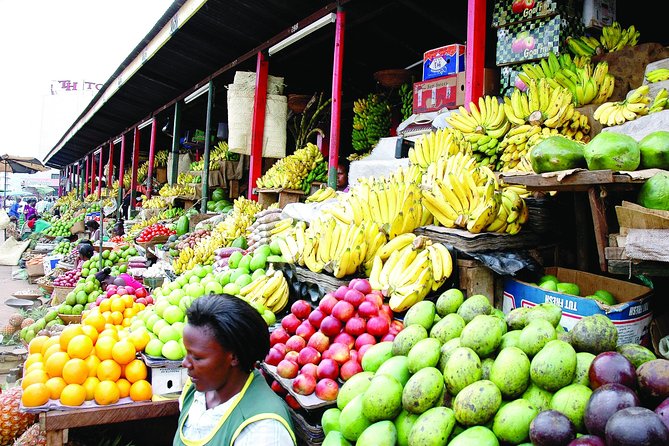
Nakasero Market is one of the more grounded parts of the morning. It began in 1895, first at Lubiri, before moving to its current city-center location in 1905. You can see the market and may have time to take pictures or look at local produce.
The market adds a welcome change from official monuments. You see a working part of Kampala rather than a polished display made only for sightseeing. Fresh fruit is available, and this can be a good place to get a quick sense of the city’s food culture. Keep personal purchases modest, since the day has many more stops ahead.
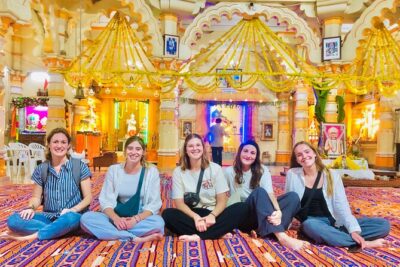
The central route also includes views of Hindu temples, including Shree Swaminarayan Mandir. This broadens the picture of Kampala beyond Buganda’s royal and Christian sites. The city’s religious mix is one of the reasons the route feels more useful than a simple list of famous buildings.
The tour may also pass places connected with Kampala’s arts scene, including the Uganda National Cultural Centre. One local description of Kampala praised the nearby National Theatre and Artisans Market as part of the city’s positive modern character. Those places are not listed as formal stops here, so treat them as passing sights rather than guaranteed visits.
Kabaka’s Palace and the Buganda royal route
Kabaka’s Palace is the longest scheduled stop, with about two hours set aside. That gives you time to move beyond a quick photo and learn about the Buganda Kingdom, one of the key forces in Uganda’s political and cultural story.
The palace visit includes the Idd Amin Armory and a historical machine gun, along with pictorial displays about the palace. The subject matter is serious. Uganda’s past includes political violence and difficult periods, and this stop connects the royal compound with the country’s more troubled modern history.
The Buganda trail continues outside the palace grounds. You drive past Kabaka’s Lake and the Nantawetwa monument. The monument was built for the king and opens only when he is being driven from the palace to the Buganda Parliament, making it a particularly specific detail of royal protocol.
You also follow the Royal Mile and see Bulange, the Buganda Parliament, the Kabaka’s monument, Zakaria Kisingiri House, and Buganda clan symbols. This section works best if you are interested in institutions, symbols, and living traditions rather than only grand architecture.
The drawback is that much of the royal route is a drive-by experience. You may stop at key places, but you will not have unlimited time to explore every building. Still, two hours is a fair amount of time for a city tour, and the stop gives the day a strong historical center.
Gaddafi National Mosque and the seven-hill view
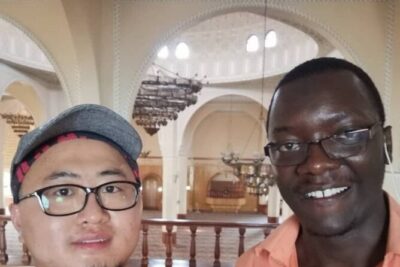
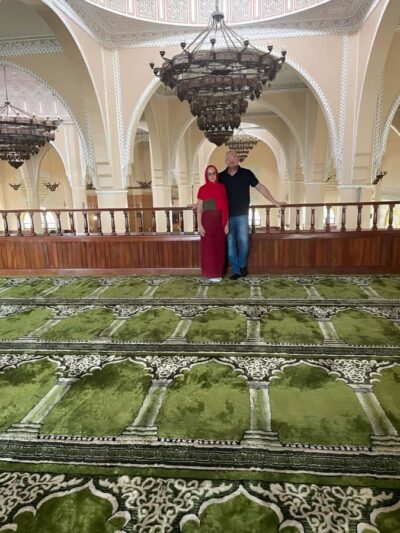
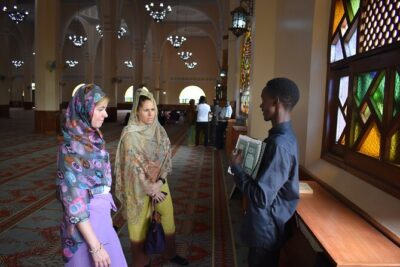
Gaddafi National Mosque is a favorite part of the day for good reason. The mosque was given to Uganda by the late Libyan leader Muammar Gaddafi and is associated with the Muslim community in Kampala. The building itself is an important sight, but the real reward is the climb up its minaret.
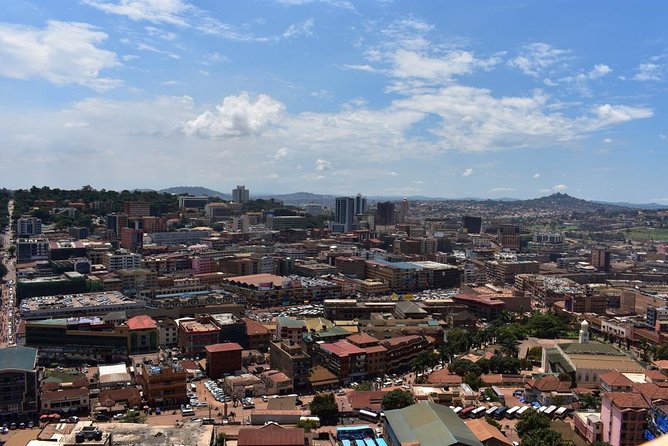
From the tower, you get a 360-degree view over Kampala’s seven hills. This is the clearest place on the route to understand the city’s shape and scale. You can also look toward Fort Lugard, which dates from the period of Captain Frederick Lugard, and Old Kampala Senior Secondary School, where Rwanda’s President Paul Kagame once enrolled.
Allow about an hour here. The climb gives this stop a physical element, so a moderate level of fitness is useful. The tower is also the day’s best place for photographs, particularly if you want a broad view rather than close street scenes.
Dress respectfully for a mosque visit and follow the guide’s instructions. The tour includes admission, but the information provided does not specify clothing rules or separate visiting arrangements, so ask your guide before entering if you are unsure.
Same country, a completely different few days:
- 3 Hours Guided Cycling Tour Across Lake Victoria
★ 5.0 · 151 reviews - Kampala’s Best Experience walking tour
★ 5.0 · 137 reviews - 3 Days gorilla trekking Safari tour in Uganda
★ 5.0 · 121 reviews - Lake Victoria Island Cycling Tour from Kampala
★ 5.0 · 120 reviews
Kasubi Tombs and Buganda’s spiritual center
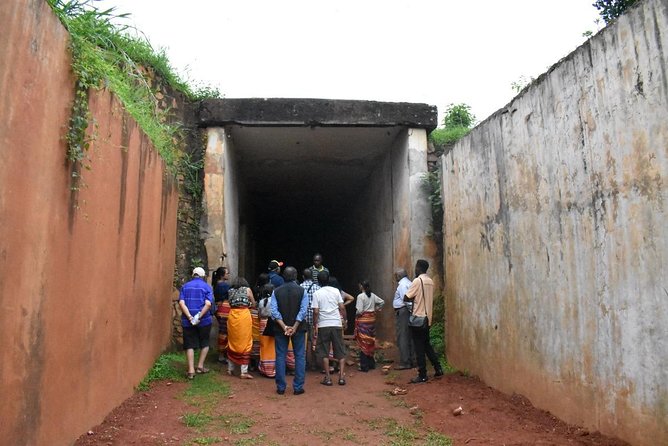
Kasubi Tombs is another hour-long stop and one of the most important cultural places on the route. The site is recognized by UNESCO as a World Heritage Site and serves as the burial ground for four former kings of Buganda.
This is not simply an old burial site. Traditional and cultural practices are preserved here, and rituals connected with Buganda culture continue at the site. It remains a spiritual place for the Baganda and a center for the royal family.
You should approach this stop with respect. The value comes from its religious and cultural meaning, not just from taking pictures. The guide can help explain how the tombs relate to Buganda’s kingship and traditions.
The visit is scheduled for about an hour, which is enough for an introduction but not a long study of every detail. If royal history is your main interest, Kabaka’s Palace and Kasubi Tombs work well together. The palace explains royal authority and public institutions, while Kasubi shows the spiritual side of kingship.
Makerere University and the story of modern Uganda
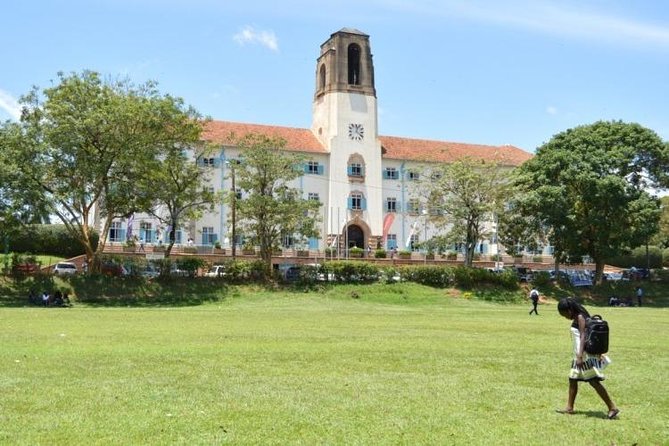
After Kasubi, the route passes through Makerere University for about 30 minutes. Founded in 1922, Makerere is Uganda’s oldest and largest university and is described as Africa’s third-oldest university.
The stop includes views of the Old University Library, established in 1949, the Main Administration Building from 1941, and the Education monument. This is a short visit, so expect an exterior sightseeing tour rather than a full campus exploration.
Makerere adds an important modern layer to the day. After seeing royal compounds, sacred burial grounds, and religious buildings, you get a sense of Uganda’s academic institutions and public life. It also helps explain why Kampala has long served as a center for education in the region.
Because admission is free and the stop is brief, this is a low-pressure part of the schedule. If you prefer natural scenery or markets to institutional buildings, you may find it less exciting than the mosque or palace. The guide’s context will make a difference.
Kalerwe Market and the Baha’i Temple
The drive toward the Baha’i Temple passes Kalerwe Market, described as Kampala’s second-largest local market. You may stop for photos or buy fresh fruit. Like Nakasero Market, this gives you a view of ordinary commerce and local produce.
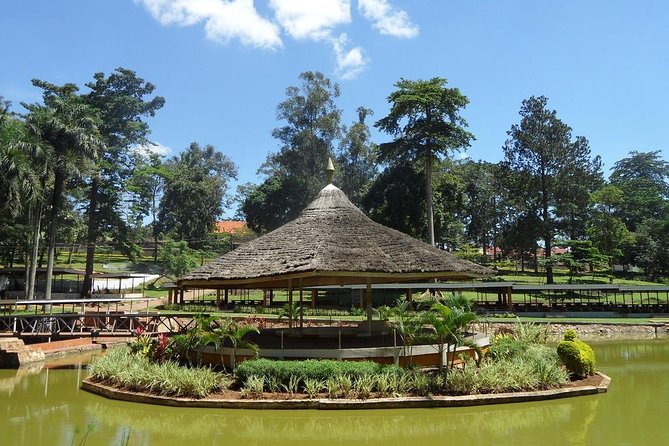
The Baha’i Temple sits on Kikaya Hill, northeast of Kampala. It is the only Baha’i temple in Africa, and the grounds provide a quieter change after the central city and market stops. You can enter the temple for a moment of self-meditation and take pictures in the gardens.
The scheduled visit lasts about an hour. This is likely to appeal most if you enjoy religious architecture, peaceful grounds, and places that invite quiet reflection. It is less about a long historical lecture and more about seeing the temple and understanding the Baha’i presence in Uganda.
Plan this stop carefully. The temple is closed on Mondays. If Monday is the only day you have available, confirm the route before booking, since this attraction may not be accessible then. Admission is listed as free.
The Uganda National Museum closure
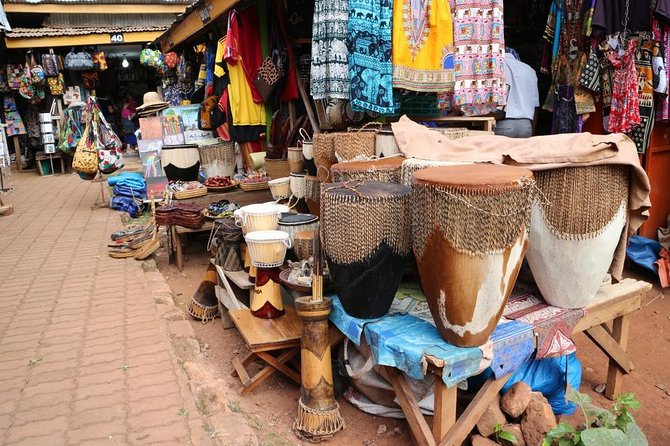
The route includes a stop at the Uganda National Museum, East Africa’s first and oldest museum. It was officiated by the British government in 1908 and moved to its current site in 1954. The museum is intended to present a broad picture of Uganda, making it a useful final piece for visitors who want more than Kampala’s royal and religious sites.
At present, however, the museum is closed for renovations and is expected to reopen in late 2025. Do not count on entering during your tour unless that status has changed by your travel date.
This is an important limitation because the museum would normally add artifacts and national context to a day focused heavily on Kampala and Buganda. The rest of the route still offers plenty to see, but you should treat the museum as unavailable until you confirm otherwise.
Lunch, Uganda Martyrs Shrine, and the final stop
Lunch is provided at a restaurant after the earlier sightseeing. The meal is described as local, which makes it more useful than a generic international lunch. You also receive mineral water during the tour.
Soft drinks and alcohol are not included, and personal expenses are separate. If you want anything beyond the supplied meal and water, bring money for those purchases.
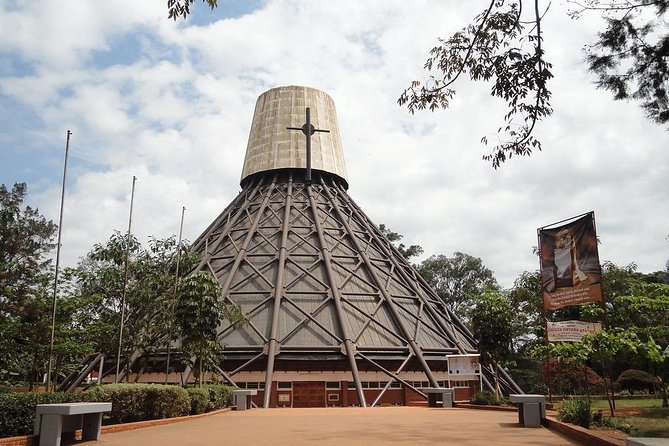
The final major stop is Uganda Martyrs Shrine. The site marks the place where martyrs were persecuted and killed between 1885 and 1887 on the orders of Kabaka Mwanga II of Buganda. It is now a major pilgrimage destination, especially on June 3, when hundreds of thousands come for the annual pilgrimage.
You spend about an hour at the shrine and Basilica. The Basilica was built from 1967 to 1975 and was sanctified on February 7, 1993. Three papal visits are recognized at the site: Pope Paul VI in 1969, Pope John Paul II in 1993, and Pope Francis in 2015.
This stop gives the day a strong religious and historical finish. Even if you are not visiting for faith reasons, the site helps explain Uganda’s place in African Christian history. As at Kasubi Tombs, respectful behavior matters.
Is $265 per person good value?
The price is $265 per person, which places this firmly in the private, full-service category. You are paying for a 9 to 10-hour day, private 4WD minibus transport, an English-speaking driver-guide, pickup and return transfer, lunch, mineral water, and entrance fees at selected stops.
The value improves if you are traveling as a small group and want one vehicle for the entire day. Group discounts are available, though the exact reduction is not provided. Since the tour is private, you can ask about the pace or spend a little longer at a place that interests you, although the published schedule is already full.
The price is harder to justify if you only want a few central landmarks or if you are comfortable arranging transport and meals yourself. This is a strong choice for a first full day in Kampala, especially if your time is limited and you want a guide to connect the city’s history, faiths, royal traditions, and daily life.
Who will enjoy this Kampala tour?
I would choose this for a first visit, a short stay, or anyone who wants to see Kampala’s main cultural sights in one organized day. It suits people interested in Buganda history, religious buildings, local markets, public institutions, and city views.
You should have moderate physical fitness. The minaret climb and the long day on the road are the clearest physical demands. The tour is not presented as a walking tour, but you will still move around several sites.
It may be less suitable if you prefer a slow schedule, long meals, or extended time at one museum. It also requires careful planning if your date is Monday, when the Baha’i Temple is closed, or if you are visiting before the Uganda National Museum reopens.
The cancellation terms are forgiving if your plans change: you can cancel at least 24 hours before the 8:30 a.m. start for a full refund. Changes or cancellations made within 24 hours are not refunded.
Should you book it?
Book this tour if you want an efficient, private introduction to Kampala and value having transport, lunch, entrance fees, and a guide handled in one package. The strongest reasons are the mosque’s city view, the detailed Buganda royal route, Kasubi Tombs, and the chance to see both formal landmarks and local markets.
I would skip it if $265 feels high for a sightseeing day or if you want to focus on the Uganda National Museum, since that stop is closed until late 2025. Check the Baha’i Temple’s Monday closure before paying, then book with the expectation of a full and fairly busy day.
FAQ
What time does the Kampala City Tour begin?
The tour starts at 8:30 a.m.
How long does the tour last?
The experience lasts approximately nine to ten hours.
Is transportation included?
Yes. The tour includes private transport in a 4WD minibus, with pickup offered from any location and round-trip transportation.
Is lunch included?
Yes. A local lunch and mineral water are included. Soft drinks, alcohol, and personal expenses are not included.
Is the tour private?
Yes. Only your group will participate in this private tour or activity.
Is the Uganda National Museum open during the tour?
No. The museum is closed for renovations and is expected to reopen in late 2025.
Is the Baha’i Temple open every day?
No. The Baha’i Temple is closed on Mondays.
Latest into the Kampala lineup
- Uganda: 3-Day Gorilla Experience from Entebbe★ 5.0 · 2 reviews
- Uganda Equator Tour From Kampala To Kayabwe★ 5.0 · 4 reviews
- Uganda: 1-Day Murchison Falls Park Safari with Boat cruise★ 5.0 · 3 reviews
- 3-Day Mind Refreshing in Murchison Falls National Park★ 5.0 · 4 reviews
- Entebbe kampala airport transfers★ 5.0 · 3 reviews
- Weekend Package B★ 5.0 · 7 reviews
- 15 Day Gorillas, Chimps and Big 5 Safari Tour★ 5.0 · 5 reviews
- Uganda 4 days Gorilla Trekking★ 5.0 · 3 reviews