
Review · KAMPALA
Kampala/Gulu: Traditional African Hut Building & Painting
Roll up your sleeves for rural Uganda. This hands-on experience lets you help build, roof, and paint a traditional African hut instead of simply looking at one from a distance. I like the chance to gather soil and other raw materials, then use them in a real building process. I also like the everyday activities, from fetching water and gardening to preparing local food with a community family.
The main consideration is that the experience has several location and activity options. The description names Mityana District and also offers sites connected with Kampala, Gulu, and Pakwach, while the meeting point depends on what you book. You need to check the selected option carefully, especially since some choices focus more on neighborhood walking and sightseeing than on actual hut construction.
In This Review
- What makes this experience special
- Building a hut with your own hands
- From field materials to painted walls
- Fetching water, gardening, and cooking
- Meeting local families and learning traditions
- Markets, shops, and the wider Kampala option
- Choosing among Kampala, Gulu, Pakwach, and Mityana
- Timing, transport, and pace
- Is $26 a fair price?
- What to bring and what to wear
- Carol and the human side of the tour
- Should you book the traditional hut experience?
- FAQ
- Where does the traditional hut building experience take place?
- How long does the experience last?
- What activities can I do during the experience?
- Is the tour conducted in English?
- What should I bring?
- Is the experience suitable for wheelchair users?
- Can I cancel for a refund?
What makes this experience special
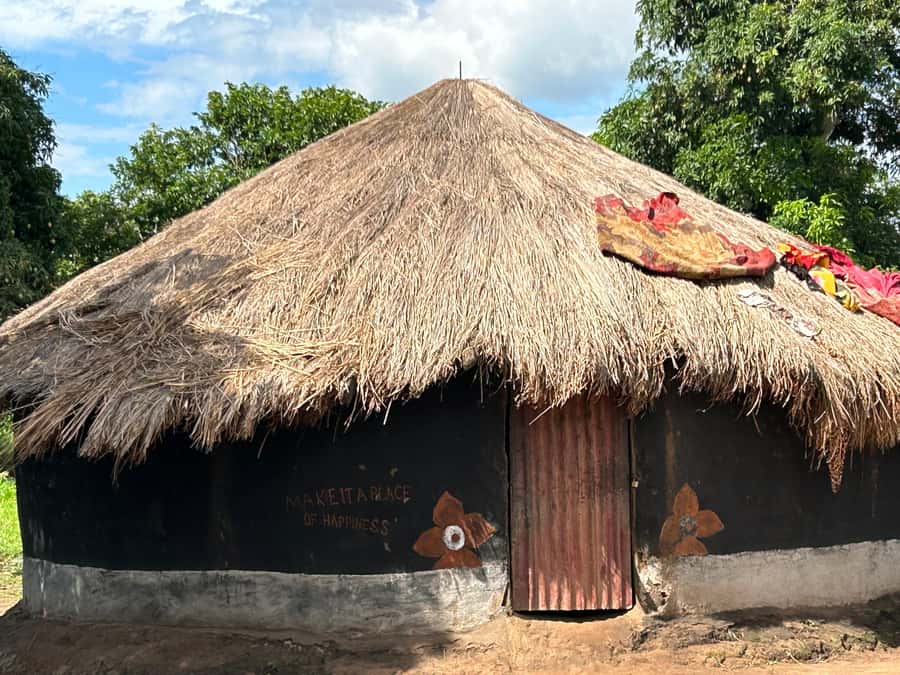
- You help make the hut rather than just photograph it: Soil gathering, brick making, roofing, and painting turn local building traditions into practical work.
- Carol receives especially warm praise: Her guidance helps you take part in cooking, shopping, gathering materials, and building tasks.
- The village day covers ordinary work: Fetching water, gardening, collecting food, and cooking show how daily routines fit together.
- You learn through conversation: Local traditions, languages, historical stories, and totems form part of the experience.
- The $26 price covers a lot: For three to four hours, you receive guided activities, local food, community interaction, and transport elements depending on the option.
- Dress for work, not a photo shoot: Soil, food preparation, and outdoor tasks can leave marks, so skip white clothing and bring water, sunscreen, and insect repellent.
Building a hut with your own hands
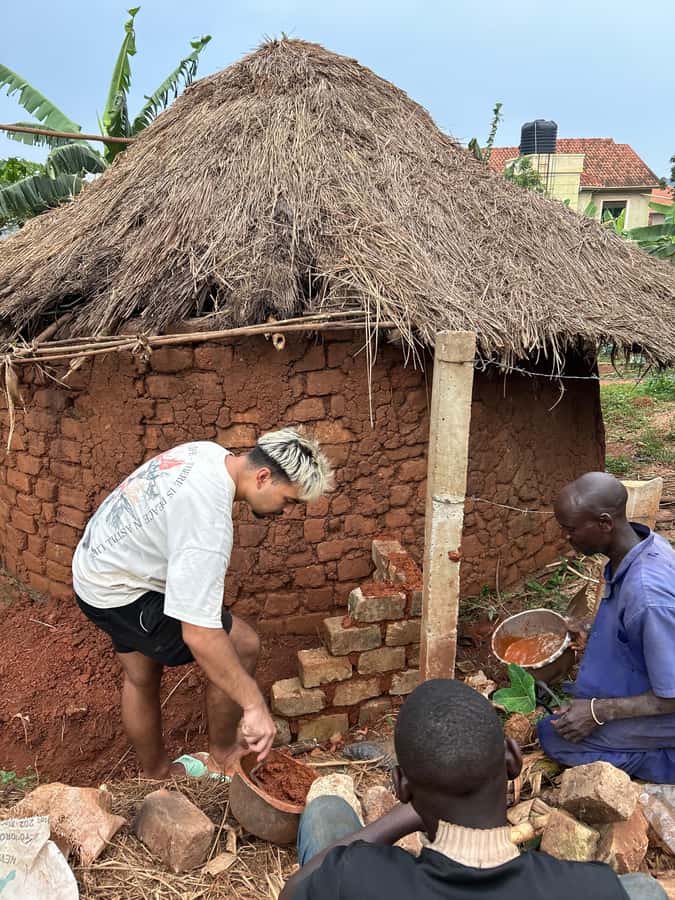
The strongest part of this experience is the work itself. You do not simply visit a finished round house and hear a short explanation. You go into the field with local people to collect raw materials, then take them to a chosen building site.
The exact tasks depend on the stage of construction, but the experience can include creating bricks, gathering soil, roofing, and painting. That matters because traditional construction becomes much easier to understand when you feel the weight of the materials and see how much labor goes into a small house.
You should expect to get dirty. One useful detail comes directly from the practical nature of the activity: do not wear white clothes. Comfortable shorts and simple clothing are a better choice, especially if you will work with soil, carry materials, or take part in cooking.
The hut building also gives you a chance to ask questions as you work. Instead of receiving a long lecture, you learn through small explanations about materials, local methods, and the purpose of different stages. This is a good fit for you if you prefer participation to passive sightseeing.
Other Uganda trips that pair well with this one:
- 3 Hours Guided Cycling Tour Across Lake Victoria
★ 5.0 · 151 reviews - Kampala’s Best Experience walking tour
★ 5.0 · 137 reviews - 3 Days gorilla trekking Safari tour in Uganda
★ 5.0 · 121 reviews
From field materials to painted walls
The process begins away from the finished hut. You may help gather soil or other materials from the field, then move to the selected setting for construction, roofing, or painting.
This movement is important. It links the house to the surrounding community and shows that traditional building depends on local resources and shared labor. You get a clearer sense of how a rural household might combine gardening, collecting, preparing food, and maintaining a home during the same day.
Painting adds a more creative part to the work. The activity description does not specify the exact designs or colors, so you should not expect a fixed art lesson with a guaranteed pattern. Instead, think of it as a chance to contribute to the appearance of the hut while learning about the local setting from the people guiding you.
The construction work may not feel polished or carefully staged. That is part of its value, but it also means the pace can vary. If you want a tightly timed attraction with every minute planned, this may feel loose. If you want to understand work as it is done in a community setting, that flexibility is useful.
Fetching water, gardening, and cooking
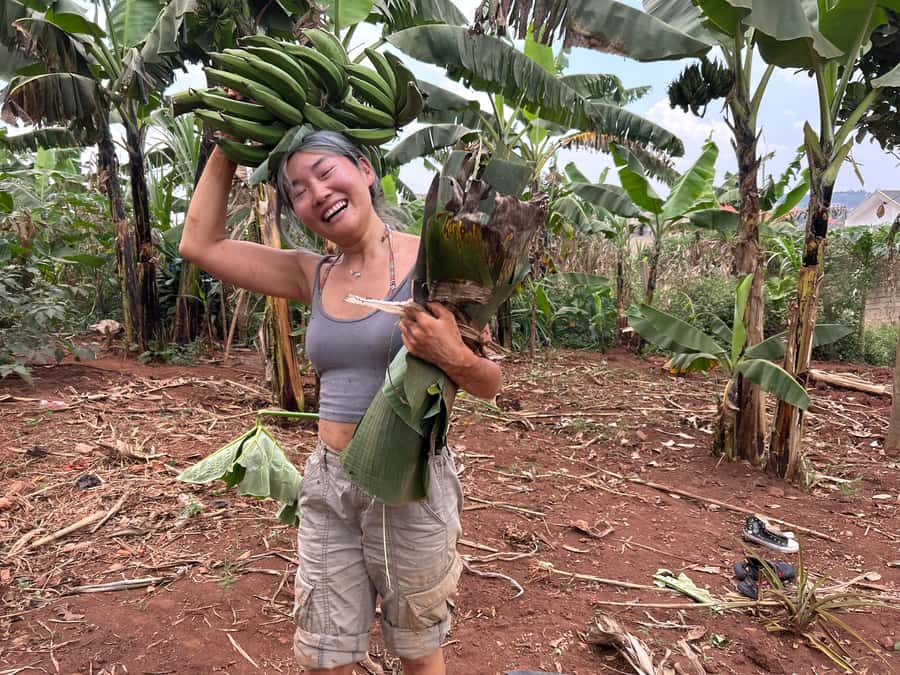
The hut is only one part of the experience. You can also take part in ordinary activities such as fetching water, working in the garden, collecting food, and cooking local dishes.
These tasks give the visit a wider purpose. You are not only learning how a house is made. You are seeing how food, water, land, and family routines connect. Even a simple walk to gather ingredients can explain more about daily life than a formal display in a museum.
Cooking is a particularly good part of the experience for anyone interested in food culture. You can help buy groceries, collect ingredients from the garden, and prepare traditional dishes with the local community. The activity includes eating local food, so this is not just a demonstration where you watch someone else do all the work.
The available information does not identify every dish, so you should keep your expectations open. Do not book this expecting a named restaurant menu. The appeal is the preparation, the shared work, and the chance to eat food connected to the household and the area.
You should also arrive ready to participate. One visitor specifically advised eating and sleeping well before coming because the day can involve several physical activities. That is sound advice. The experience lasts about three to four hours, but those hours may feel active rather than leisurely.
Meeting local families and learning traditions
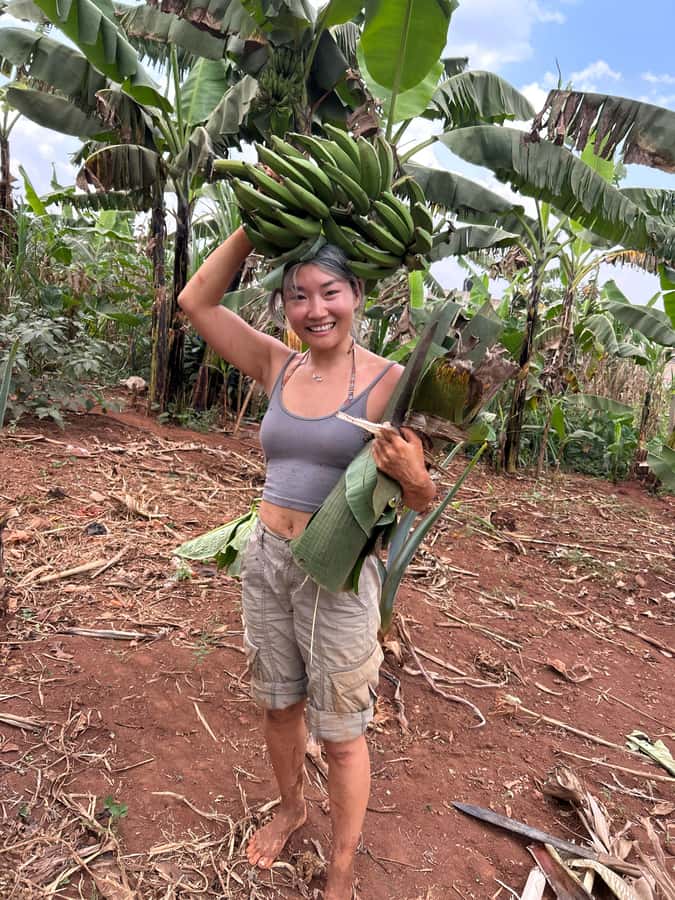
The social side gives the experience its strongest human quality. You move around the village, interact with local people, and hear about traditions, languages, historical stories, and totems.
The word totems can refer to important clan or community symbols and identities, but the supplied details do not promise a particular set of teachings. Your guide can explain what is relevant to the community you visit. Ask questions respectfully, especially when discussing family traditions, beliefs, and local identity.
English is the tour language. That makes the activity accessible to English-speaking visitors, while lessons in local languages add another layer to the visit. You may learn simple words or expressions as you move through the community, though no specific language is guaranteed.
The best approach is to listen and take part without treating village life as a stage show. You will be visiting people in their daily environment, not entering a museum set. Photography is encouraged as something to bring a camera for, but always ask before photographing individuals, homes, or private activities.
Same country, a completely different few days:
- Lake Victoria Island Cycling Tour from Kampala
★ 5.0 · 120 reviews - Kampala Walking City Tours (Women Guided)
★ 5.0 · 115 reviews - Kampala Walking Tour (3 Hours) with Optional Gaddafi Mosque Visit
★ 5.0 · 112 reviews - 1 Day Sipi falls hike
★ 5.0 · 100 reviews
Markets, shops, and the wider Kampala option
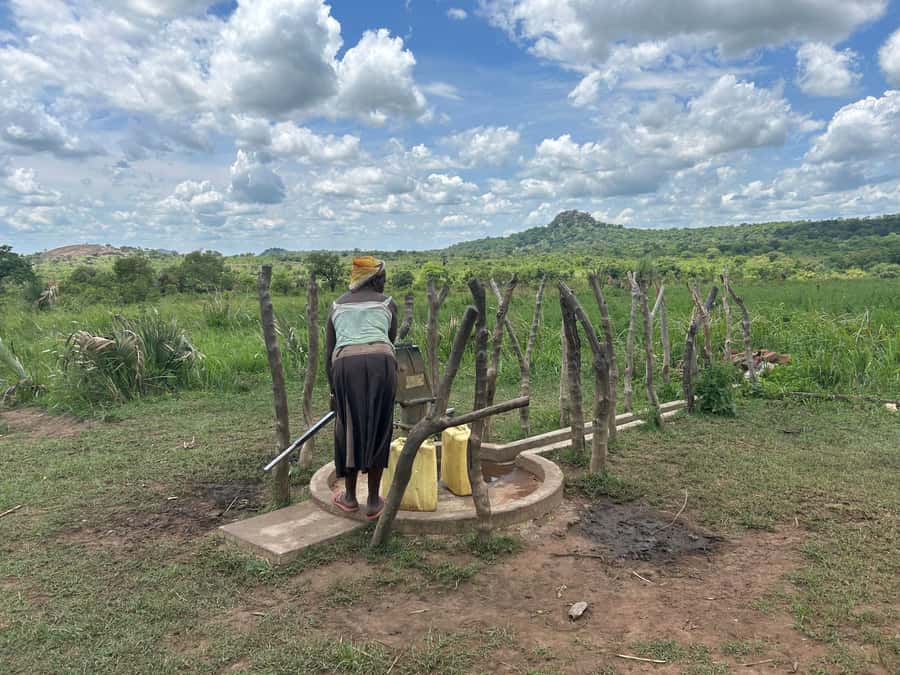
The experience can also include local markets, food stalls, shops, and neighborhood walks. These parts are useful because they show how the community organizes buying and selling, including how shops are arranged for customers and daily business.
In the Kampala option, the schedule can include street food, local snacks, a food market, guided walking, shopping, and sightseeing. It can also include time around Acacia Mall, nearby shops, or a museum, with the exact combination depending on the chosen package.
This creates an interesting contrast. A modern shopping center and organized retail space can look very different from a rural community market, yet both serve the same basic needs: food, household goods, social contact, and business. Seeing these settings together may help you compare city life with village routines.
There is a practical warning here. The three options are not identical. One option described as a neighborhood walk passes traditional housing areas but does not provide the same hands-on hut construction as the African hut building choice. Read the option names and prices carefully before paying. If building, roofing, and painting are your main reason for coming, select the option that explicitly includes those activities.
Choosing among Kampala, Gulu, Pakwach, and Mityana
The experience is offered through three current location sites connected with Kampala, Gulu, and Pakwach. The supplied details also identify Mityana District as the location, so you should confirm the precise meeting point and community before booking.
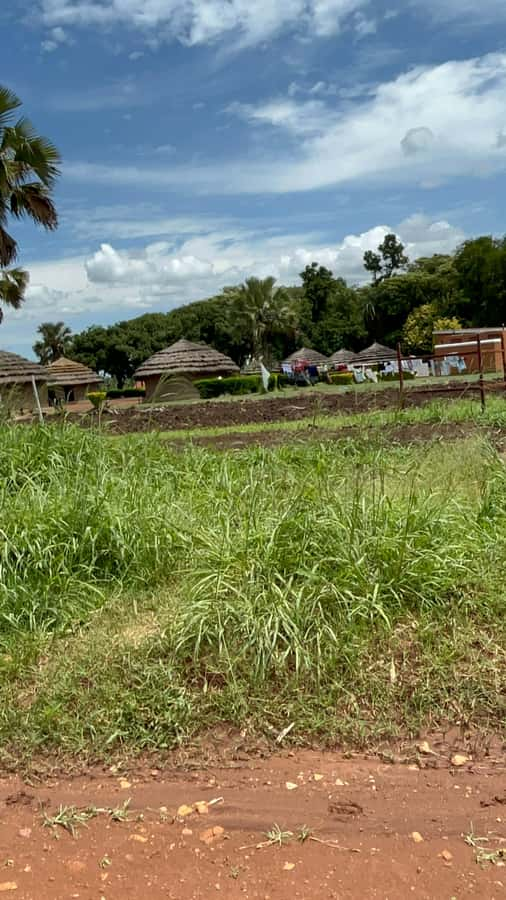
This matters because the setting will shape the day. A Kampala choice may include city walks, street food, shopping, a market, Acacia Mall, or a museum. A rural site will likely place more attention on the hut, the field, the garden, and village interactions, though the exact program depends on the selected option.
Future expansion is planned for Jinja, Mbale, Hoima, and Tororo. Those locations are not presented as current standard sites, but the provider indicates that someone already near one of those areas may be able to ask about arrangements. Confirm availability rather than assuming a tour operates there.
The meeting location can vary. One listed drop-off point is Centenary Bank in Kampala, and another is the Jinja Branch of Centenary Bank. Because the starting and ending points depend on the option, confirm both before setting up the rest of your day.
Timing, transport, and pace
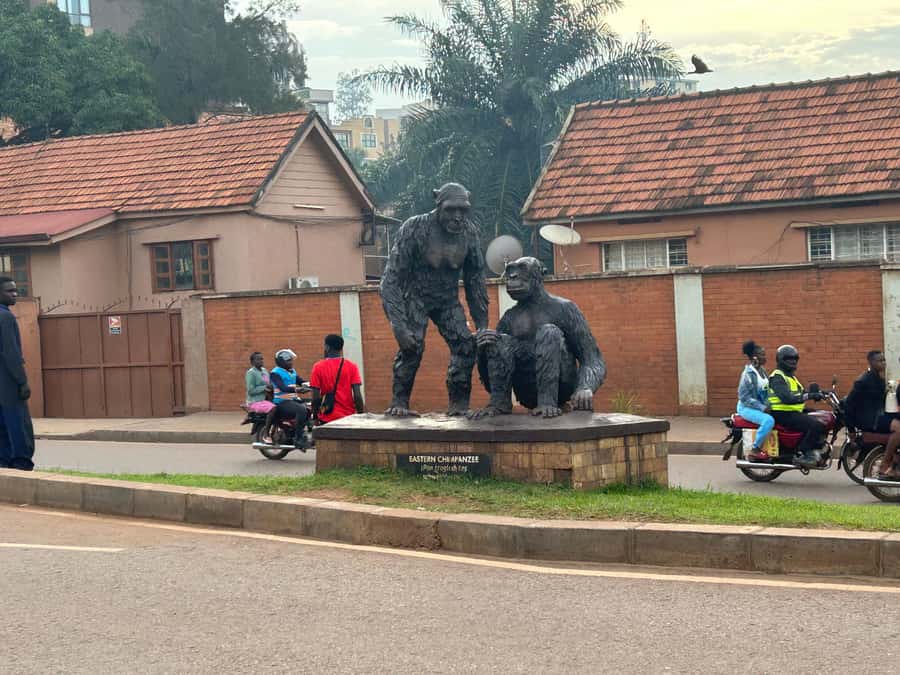
The advertised duration is three to four hours, with starting times shown according to availability. One version of the schedule includes a van ride of about 30 minutes, followed by stops involving walking, food, shopping, sightseeing, and a traditional dance show lasting about an hour. Another portion allows about two hours for guided sightseeing, scenic views, or independent exploration.
That schedule suggests the experience can combine several short activities rather than one uninterrupted building session. If you want the greatest amount of construction time, ask which option places the hut work at its center. The African hut building choice should be the clearest match, while other choices may add more neighborhood, shopping, or sightseeing time.
The pace may suit you if you enjoy a varied half-day. You can shift from fieldwork to food, then from a village walk to local conversation. It may be less suitable if you need a predictable timetable or dislike moving between several settings.
Transport is part of some versions, but the information does not give a full vehicle plan for every option. Confirm pickup, drop-off, and the amount of driving included when you check availability.
Is $26 a fair price?
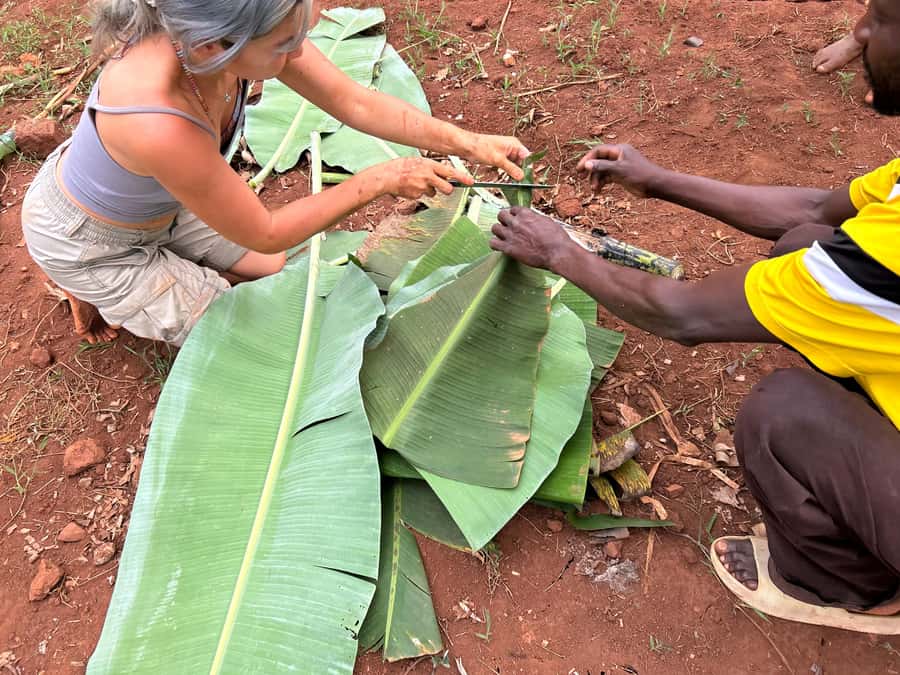
At $26 per person, this is good value if you choose the hands-on hut building option. The price covers more than a guided talk: you can gather materials, work on construction or painting, join village activities, learn about traditions, explore shops or markets, and eat local dishes.
The value is strongest for you if you want direct contact with daily life. A standard attraction might give you photographs and explanations, but this experience adds labor, food preparation, and conversation. Those elements take more time and effort to organize, which makes the price reasonable.
The calculation changes if you accidentally select a sightseeing or neighborhood option. A walk through traditional housing areas may still be worthwhile, but it does not offer the same level of hands-on participation. Compare the three prices and inclusions before booking, rather than assuming every option includes the hut construction.
Tips are not included, but tipping is optional. You should also budget for any personal purchases at markets or shops, since those are not stated as included.
What to bring and what to wear
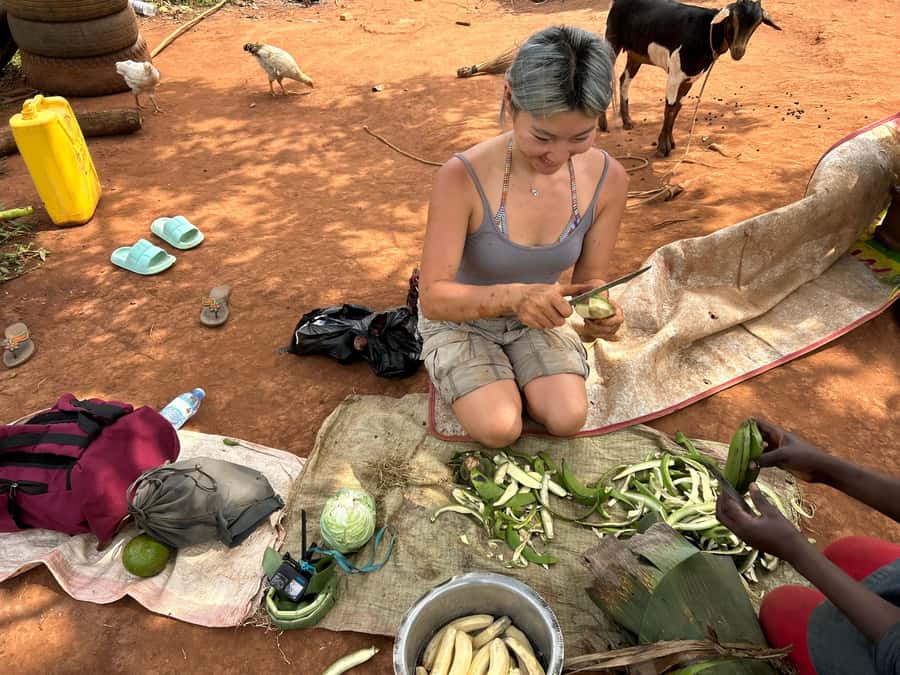
Pack for outdoor work and warm conditions. The recommended items are:
- A hat
- Sunscreen
- Water
- Insect repellent
- A camera
- Comfortable clothes
- Shorts
Wear clothing that can handle soil, food preparation, and field activities. White clothes are a poor choice, since brick making and soil gathering can leave visible marks.
The experience is not suitable for wheelchair users. The combination of fieldwork, village walking, and hands-on construction may also be difficult for anyone who needs fully accessible surfaces or seating, though no broader mobility guidance is provided.
The tour is conducted in English. That makes explanations easier for English speakers, while the local language element gives you a chance to learn words and expressions from the community.
Carol and the human side of the tour
Carol is the guide most closely associated with the experience, and she receives especially strong praise for giving people room to try the activities themselves. That is important here. The value is not only in hearing about hut building, but in being allowed to handle materials, paint, cook, shop, and work alongside local people.
A good guide also helps set the right tone. You need someone who can explain traditions clearly, introduce you to a family, and make sure participation remains respectful. Carol’s role appears to cover all of those parts, from organizing the visit to guiding the practical work.
The local family is another important part of the experience. You may be welcomed into activities that include cooking, gardening, and gathering food. Treat that access with care. Listen first, ask before taking photographs, and remember that you are joining someone’s daily routine for a short time.
Should you book the traditional hut experience?
You should book it if you want active cultural contact and do not mind getting dirty. The best reasons are the chance to work on a traditional hut, gather materials from the field, prepare local food, fetch water, and learn directly through conversation. Carol’s guidance is an added advantage.
You should think twice if you want a polished sightseeing tour, guaranteed museum time, or a completely fixed schedule. The experience has several options, different locations, and varied activities. Your first task is to choose the correct package, especially if actual hut construction matters to you.
For $26, the hands-on option offers strong value for a three to four hour experience. Confirm the location, meeting point, transport, and exact inclusions before booking. Then arrive in practical clothes, bring water, and give yourself permission to work rather than simply watch.
FAQ
Where does the traditional hut building experience take place?
The current location sites are connected with Kampala, Gulu, and Pakwach. The activity information also identifies Mityana District, so confirm the exact community and meeting point for the option you select.
How long does the experience last?
The stated duration is three to four hours. Starting times depend on availability, and some versions include about 30 minutes of van travel.
What activities can I do during the experience?
You may gather raw materials, create bricks, build, roof, or paint a traditional hut. You can also fetch water, garden, collect food, cook local dishes, explore markets and shops, and walk through the surrounding community.
Is the tour conducted in English?
Yes. The live guide language is English. The experience also includes learning about local traditions and languages.
What should I bring?
Bring a hat, camera, sunscreen, water, comfortable clothes, insect repellent, and shorts. Wear clothing that can get dirty, since soil, building work, gardening, and cooking are part of the possible activities.
Is the experience suitable for wheelchair users?
No. The activity is listed as unsuitable for wheelchair users.
Can I cancel for a refund?
You can cancel up to 24 hours in advance for a full refund. You can also reserve now and pay later, keeping your plans flexible.
Latest into the Uganda lineup
- Uganda: 3-Day Gorilla Experience from Entebbe★ 5.0 · 2 reviews
- Uganda Equator Tour From Kampala To Kayabwe★ 5.0 · 4 reviews
- Uganda: 1-Day Murchison Falls Park Safari with Boat cruise★ 5.0 · 3 reviews
- Uganda: 2-Day Murchison Falls Park Safari with Boat cruise★ 5.0 · 7 reviews
- Hot Springs Exploration and Hike Craters★ 5.0 · 6 reviews
- 4 Days Uganda Gorilla and Wildlife Tour★ 5.0 · 2 reviews
- Coffee Tour Experience★ 5.0 · 5 reviews
- 4 Hour Art and Craft Interactive Workshop★ 5.0 · 2 reviews