
Review · WORKSHOPS
4 Hour Art and Craft Interactive Workshop
Make something you can take home. This four-hour workshop in Kampala combines hands-on art with a look at Ugandan family life, giving you more than a quick craft demonstration. I like the chance to work with waste materials and the fact that your finished paintings, sculptures, and prints belong to you.
The session takes place at the UCASDR Arts Centre in Wamala, Katooke, at the home of Tusiime Mathias. That personal setting is a real strength, though you should remember that this is a practical community workshop, not a polished studio class with professional facilities or a tightly staged show.
In This Review
- Key points at a glance
- Starting at 10:00 at UCASDR Arts Centre
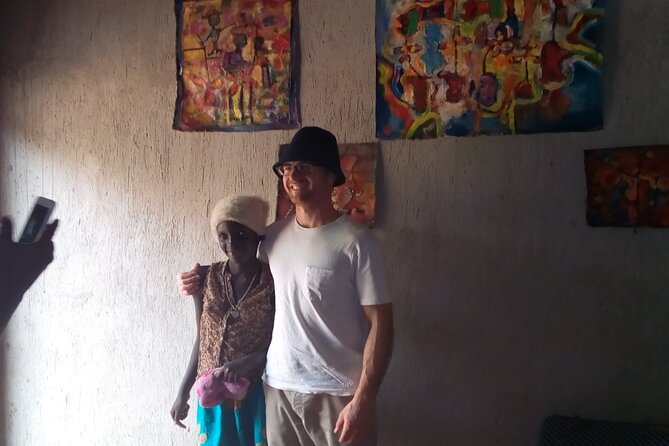
- Entering a Ugandan home and art gallery
- Turning waste materials into a canvas
- Painting, clay, and woodcut printmaking
- Meeting Mathias and the local artists
- Why the community connection matters
- Planning your four hours well
- Who will enjoy this workshop most
- Should you book the UCASDR workshop?
- FAQ
- How long does the art and craft workshop last?
- What time does the activity start?
- Where does the workshop begin?
- Where does the activity finish?
- How many people can join the workshop?
- What art techniques are included?
- Can I take home the artwork I make?
- What happens if I need to cancel?
Key points at a glance
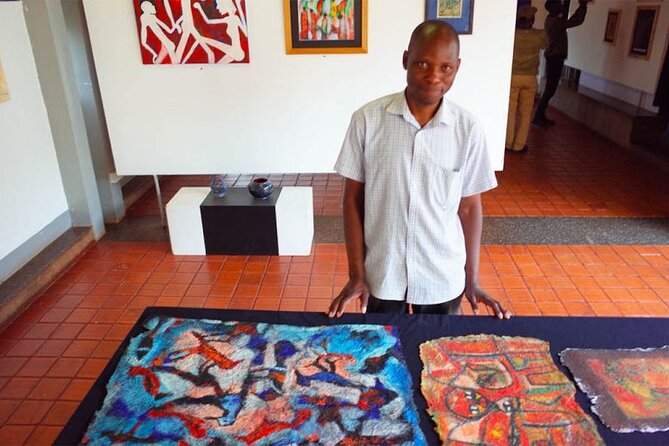
- Make and keep your own artwork: You work with canvas, paint, clay, wood, and recycled materials, then take your finished pieces with you.
- Learn several techniques in four hours: The session covers frame cutting, canvas preparation, painting, clay sculpture, and woodcut printmaking.
- See art and home life together: You visit the gallery collection while also seeing how a Ugandan family home is arranged.
- Meet local artists directly: The workshop gives you time to interact with artists rather than simply watch a performance.
- Support a local cause: UCASDR uses the activity to provide practical skills and development support for vulnerable children and local communities.
- Keep the group small: No more than 10 people can join, which should give the session a more personal feel.
Starting at 10:00 at UCASDR Arts Centre
You meet at UCASDR Arts Centre in Wamala, Katooke, Kampala, at 10:00 in the morning. The activity finishes at the same place, so you do not need to arrange a second pickup point or figure out where the session ends.
The centre is near public transportation, a useful detail if you are making your own way across Kampala. The exact transport route is not provided, so you should confirm your preferred option and allow enough time to reach Wamala before the 10:00 start.
A mobile ticket makes entry simple. Confirmation arrives when you book, and the small maximum of 10 people matters here. Art instruction becomes much less useful when an instructor must rush from person to person. A group of this size should give you a fair chance to ask questions, handle materials, and get help with your own work.
The activity is open to most people, and service animals are allowed. Still, this is a hands-on session, so you should be comfortable spending part of four hours working with materials and following practical demonstrations.
Other Uganda trips that pair well with this one:
- 3 Hours Guided Cycling Tour Across Lake Victoria
★ 5.0 · 151 reviews - Kampala’s Best Experience walking tour
★ 5.0 · 137 reviews - 3 Days gorilla trekking Safari tour in Uganda
★ 5.0 · 121 reviews
Entering a Ugandan home and art gallery
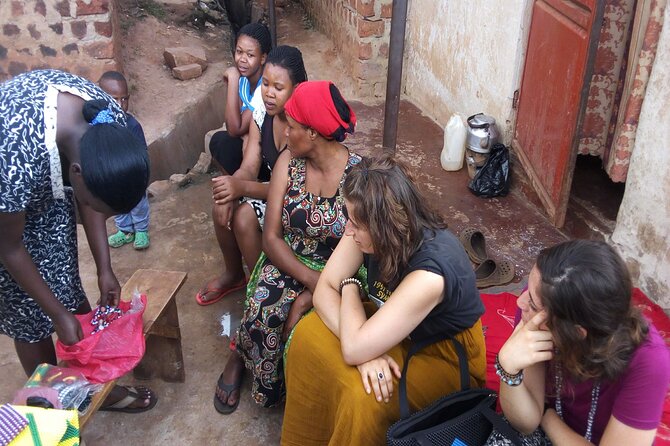
One of the more unusual parts of the experience is its setting. The workshop happens in Mathias’s home, not in a detached tourist classroom. You get to see the art collection and also observe the setting of a Ugandan family, including elements of local culture and tradition.
That combination gives the activity some context. You are not only learning how to make an object. You are seeing the place where the artists live and work, and you can connect the artwork to the community around it.
The gallery visit comes as part of the same experience. You will have a chance to see the collection and interact with different artists. The supplied details do not provide a full catalogue of the artworks, so do not expect a formal museum tour with dates, labels, and a long lecture. Think of it as a personal introduction to local creative work before you begin making your own.
I like this balance. A standard craft class can feel detached from its surroundings. Here, the surroundings are part of the lesson. The possible drawback is that a home-based setting may feel informal and less predictable than a commercial art school. That is part of its character, but it will not suit anyone looking for a highly polished production.
Turning waste materials into a canvas
The main lesson begins with the process of producing a handmade canvas from waste materials. You are not simply handed a blank surface and told to paint. The workshop explains how the support is prepared, starting with the frame and continuing toward the final artwork.
The process includes cutting the frames and preparing the canvas. Those steps help you understand the work behind a finished painting. They also make the activity feel more meaningful because the material is being reused rather than treated as disposable.
You should expect to work with guidance from Mathias and the artists involved. The precise order of each task can vary during the four-hour session, but the stated focus is the complete process, from preparation to final artwork.
This is a good fit if you like practical learning. You will probably leave with a better sense of how a simple frame becomes a surface for painting. You also get an object with a story attached to it: you made it during a visit to a Ugandan home and community arts centre.
Do not expect to produce a museum-quality painting in a single morning. The value is in learning the method and making something personal. If you have little art experience, that may be a relief. You are there to try the process, not pass an examination.
Painting, clay, and woodcut printmaking
Painting is only one part of the workshop. You also work with clay to make sculptures, and you are introduced to woodcut, or printmaking. These extra techniques give the session more range than a simple paint-and-take class.
Clay offers a different kind of work from canvas. Instead of building an image with color, you shape a solid form with your hands. Woodcut printmaking adds another useful lesson, since the image is made through a carved or prepared surface and then transferred as a print.
The details do not say how many pieces you make in each medium or how long you spend on every technique. It is best to view the activities as a broad introduction rather than several full art courses packed into four hours.
That variety is one of the strongest reasons to book. You can find out which medium suits you best, even if you have never tried clay or printmaking. The session also lets you compare the patience needed for frame making with the freedom of painting and the physical work of sculpture.
I would bring a practical attitude. Your work may look rough around the edges, and that is normal for a first attempt. The point is to learn, experiment, and take home a record of the experience. The pieces are described as do-and-take, so the artwork you make during the activity goes with you.
Same country, a completely different few days:
- Lake Victoria Island Cycling Tour from Kampala
★ 5.0 · 120 reviews - Kampala Walking City Tours (Women Guided)
★ 5.0 · 115 reviews - Kampala Walking Tour (3 Hours) with Optional Gaddafi Mosque Visit
★ 5.0 · 112 reviews - 1 Day Sipi falls hike
★ 5.0 · 100 reviews
Meeting Mathias and the local artists
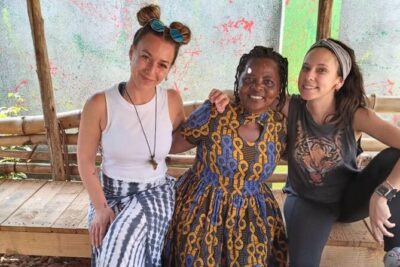
Tusiime Mathias is the experience provider, and the workshop is designed around direct contact with artists. This is important because the instructor is not just demonstrating a souvenir product. The session connects you with people who make and teach art in the local community.
A personal teacher can also make the difference between an enjoyable class and a frustrating one. Mathias has been described as welcoming and interesting, and the workshop includes clear demonstrations of making a canvas and using paint with different materials.
You should feel free to ask questions as you work. The workshop is not only about copying a design. It is about seeing how an artist approaches materials, then making your own choices within the process.
The small group limit supports that style. With up to 10 people, you should have more room to receive help than you would in a large group. That does not guarantee individual coaching every minute, but it does make conversation and practical assistance more likely.
The social side is also worth noting. You are spending time with artists and seeing their collections, while working alongside a small group. If you prefer a quiet solo museum visit, this may feel too interactive. If you enjoy meeting people through shared work, it should be a natural fit.
Why the community connection matters
UCASDR is a community-based organization that provides vulnerable children and local communities with free practical skills and development support. The money from this activity helps the organization continue that work.
At $35 per person, the price is modest for a four-hour session that includes instruction, several art techniques, access to the collection, and the artwork you produce. You are also paying for a local encounter rather than a mass-produced souvenir stop.
The value depends on what you want from a Kampala activity. If you only want the cheapest possible way to fill an hour, this is not the right comparison. Four hours is a substantial part of your day, and the session is best for someone who wants to learn, talk with artists, and support a community program.
The take-home work improves the value. You leave with more than photographs and a memory. You have a canvas, sculpture, print, or other handmade work connected to the session. The exact number and type of pieces are not specified, so you should ask Mathias what you will complete before booking if that detail matters to you.
Planning your four hours well
The experience begins at 10:00 am and lasts about four hours. A morning start gives you a clear block of time for the workshop, but you should avoid scheduling another fixed activity immediately afterward. Art instruction can take longer when people need help with materials or want to finish a piece.
Since the activity returns to the meeting point, it is easy to plan as a half-day outing. The location is in Kampala, and the centre is near public transportation. No hotel pickup is listed, so you should arrange your own way to Wamala, Katooke.
The activity requires good weather. If poor weather causes cancellation, you are offered a different date or a full refund. You can cancel for a full refund up to 24 hours before the local start time. Cancellations or changes inside that 24-hour window are not refunded or accepted, so check your Kampala plans before the cut-off.
The mobile ticket and booking confirmation keep the practical side simple. The main planning task is getting to the correct starting point on time and leaving enough room in your day for the full session.
Who will enjoy this workshop most
I would recommend this activity to you if you like making things with your hands and want a personal connection to Kampala. It suits first-time artists because the focus is on learning the process, not showing off technical skill.
Families and small groups may also enjoy it, provided everyone is comfortable with a four-hour, hands-on activity. The maximum of 10 people helps keep the group manageable, and most people can participate.
It is also a good choice for anyone who values responsible spending. Your fee supports UCASDR’s work with vulnerable children and local communities, while you receive instruction and take-home artwork in return.
You may want to skip it if you prefer a short, formal gallery visit, a highly structured art course, or a tour built around several Kampala sights. This workshop stays in one place and concentrates on making art. The home setting is central to its appeal, but it also means the experience is informal rather than standardized.
Should you book the UCASDR workshop?
Book it if you want to spend a morning making your own art, meeting local artists, and seeing a Ugandan family setting from inside a community arts project. The strongest features are the friendly instruction from Mathias, the chance to work with several materials, and the fact that your finished pieces go home with you.
At $35, the four-hour format offers good value, especially because the money supports UCASDR’s practical community work. Just arrive ready for an informal workshop, not a flawless studio production, and confirm what artwork you will complete if you need specific pieces for your luggage.
FAQ
How long does the art and craft workshop last?
The workshop lasts approximately four hours.
What time does the activity start?
The activity starts at 10:00 am.
Where does the workshop begin?
It begins at UCASDR Arts Centre in Wamala, Katooke, Kampala, Uganda.
Where does the activity finish?
The workshop ends back at the meeting point, UCASDR Arts Centre.
How many people can join the workshop?
The activity has a maximum capacity of 10 people.
What art techniques are included?
The workshop includes cutting frames, preparing handmade canvas from waste materials, painting, making clay sculptures, and woodcut printmaking.
Can I take home the artwork I make?
Yes. The artwork made during the activity is do-and-take, so you take your finished pieces with you.
What happens if I need to cancel?
You can receive a full refund if you cancel at least 24 hours before the experience start time. Cancellations or changes made less than 24 hours before the start are not refunded or accepted. If poor weather causes the activity to be canceled, you are offered another date or a full refund.
Latest into the Uganda lineup
- Uganda: 3-Day Gorilla Experience from Entebbe★ 5.0 · 2 reviews
- Uganda Equator Tour From Kampala To Kayabwe★ 5.0 · 4 reviews
- Uganda: 1-Day Murchison Falls Park Safari with Boat cruise★ 5.0 · 3 reviews
- Uganda: 2-Day Murchison Falls Park Safari with Boat cruise★ 5.0 · 7 reviews
- Hot Springs Exploration and Hike Craters★ 5.0 · 6 reviews
- 4 Days Uganda Gorilla and Wildlife Tour★ 5.0 · 2 reviews
- Coffee Tour Experience★ 5.0 · 5 reviews
- 7 Days Fort Portal Culture Tour Western Uganda★ 5.0 · 6 reviews
Workshops, compared.
Cooking Class for Typical Ugandan Food in Kampala
Read our review →
Private Ugandan Food Cooking Class and Culture Experience
Read our review →
Browse the lists this tour appears in