
Review · WALKING TOURS
Kampala: Katanga Slum Guided Walking Tour
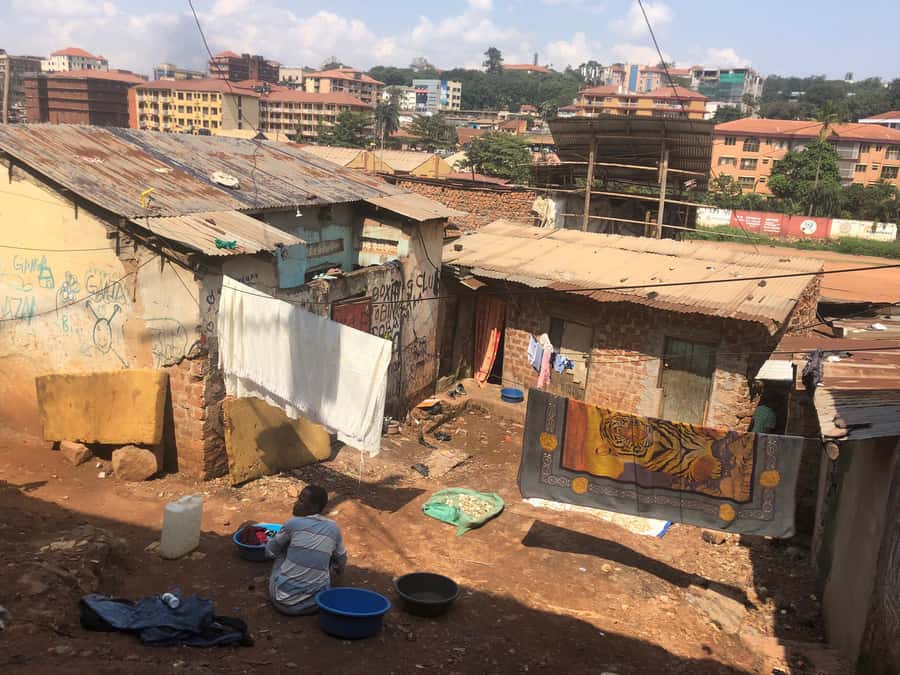
Katanga rewards a closer look. This 1.5-hour walk takes you beyond Kampala’s usual sightseeing routes and into one of Uganda’s largest informal settlements, where homes, workshops, churches, schools, and small businesses sit close together. I like the small group limit of six, and I like that the guide is a local resident who can explain Katanga from the inside. The main consideration is simple: this is not a light sightseeing stroll. Poverty, crowded housing, and poor sanitation are part of what you will see.
I also like the chance to meet people on their own ground, rather than only hearing a polished talk from a distance. Guides such as Maxwell and Marvin have helped visitors feel safe and welcome, while still explaining the harder parts of life here. Wear proper walking shoes, bring respect, and expect a serious but human visit.
In This Review
- Key points before you book
- Starting at Kitenji Uganda Safaris and Tours
- The walk through Wandegeya
- Entering Katanga with a resident guide
- Meeting people without turning the visit into a spectacle
- Schools, churches, youth projects, and local support
- The harder reality of overcrowding and sanitation
- Ingenuity in shops, stalls, and workshops
- What the 1.5-hour format gives you
- Why the small group matters
- Is $25 a fair price?
- Who should book this walk?
- Practical booking details for a smoother visit
- Should you book the Katanga walk?
- FAQ
- Where does the Katanga Slum Guided Walking Tour start?
- How long does the tour last?
- What language is the tour conducted in?
- How many people can join the tour?
- What times is the tour available?
- What should I bring?
- Is the tour suitable for people with mobility impairments?
Key points before you book
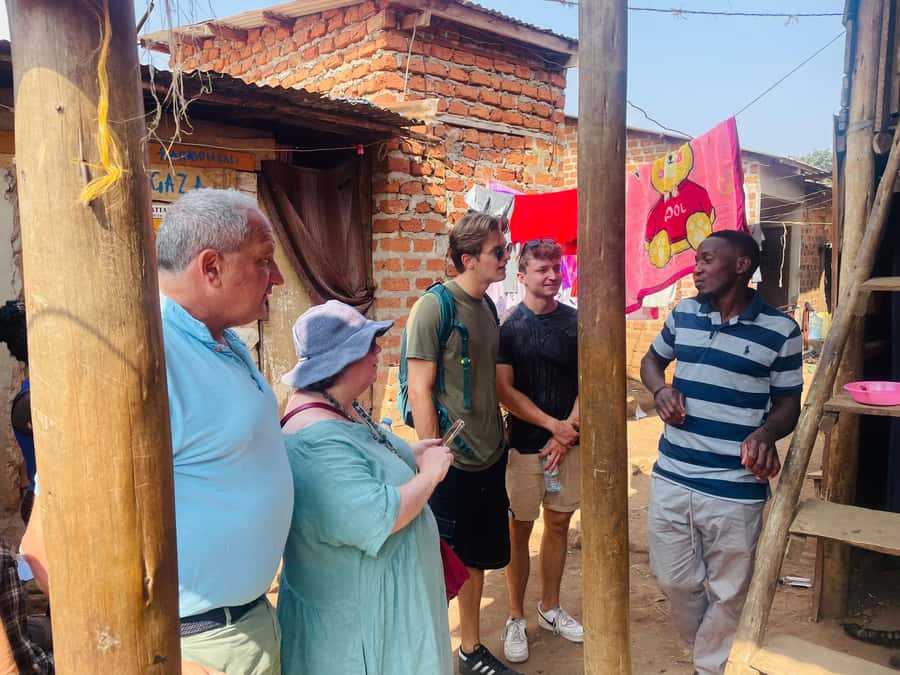
- A local guide leads the way: Your guide explains Katanga’s growth, daily routines, and place in Kampala’s urban life.
- Six people maximum: The small group makes conversation easier and reduces the feeling of a large tour party entering private spaces.
- People, not just poverty: You may meet residents, visit homes, and see schools, churches, youth projects, gyms, and local businesses.
- Small enterprises tell the story: Chapati stalls, produce sellers, artisans, and scrap-material workshops show how residents earn and adapt.
- The walk lasts 1.5 hours: It is long enough for several stops, but short enough to fit into a busy Kampala schedule.
- Come prepared for uneven walking: Comfortable shoes matter, and the tour is not suitable for people with mobility impairments.
Starting at Kitenji Uganda Safaris and Tours
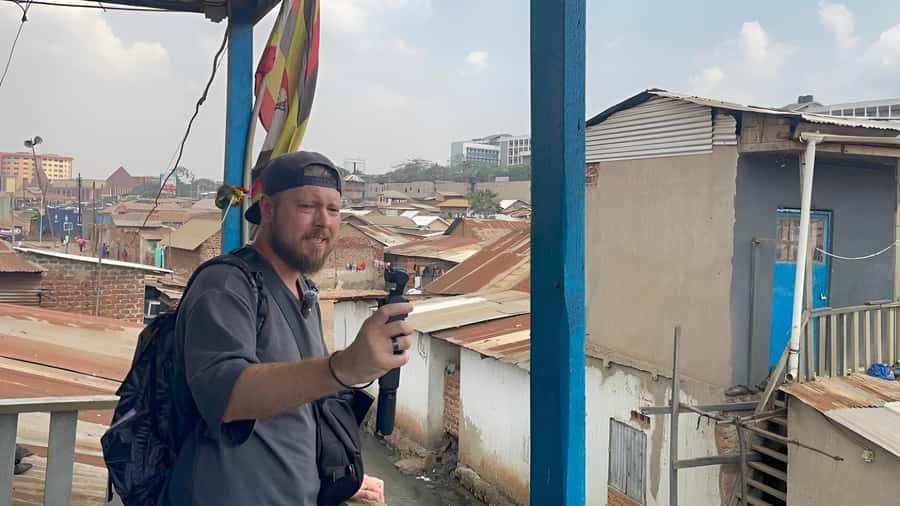
The walk begins at Kitenji Uganda Safaris and Tours. From there, you head toward Wandegeya, with views along the route before entering Katanga. The precise meeting arrangements are confirmed after booking, and the preferred start time is arranged with an agent.
The tour is offered between 9 am and 7 pm, subject to availability. That range is useful if you are fitting Katanga around other Kampala plans, though you should not assume every time is open. Confirm your start time before setting your day around it.
I would allow a little extra time around the meeting point. Kampala traffic can make short distances take longer than expected, and arriving calm is better than rushing into a walk that asks you to pay attention. The route returns to the same Kitenji office after the Katanga visit.
More walks around Kampala:
- Kampala’s Best Experience walking tour
★ 5.0 · 137 reviews - Kampala Walking City Tours (Women Guided)
★ 5.0 · 115 reviews - Kampala Walking Tour (3 Hours) with Optional Gaddafi Mosque Visit
★ 5.0 · 112 reviews
The walk through Wandegeya
Wandegeya is the first part of the route. The information provided describes scenic views along the way, but the real value of this section is the change in setting as you move toward Katanga. Your guide can begin explaining how the settlement fits into Kampala and how quickly it has grown.
This short approach helps you get your bearings before the main visit. It also gives the guide a chance to explain basic conduct. Marvin, one guide praised for being friendly and clear, began by outlining where the settlement is located and what visitors should and should not do inside. That briefing matters. It sets the tone for a visit based on listening rather than gawking.
Do not expect a grand viewpoint or a long city walk. Wandegeya is a transition, not the main event. The attraction is the change in perspective, as ordinary streets lead into a tightly packed community with its own rhythm and networks.
Entering Katanga with a resident guide
At the edge of Katanga, the guide introduces its past, rapid growth, and role in Kampala. The exact details will depend on your guide and the route that day, but the purpose is clear: you see a living neighborhood, not a frozen picture of deprivation.
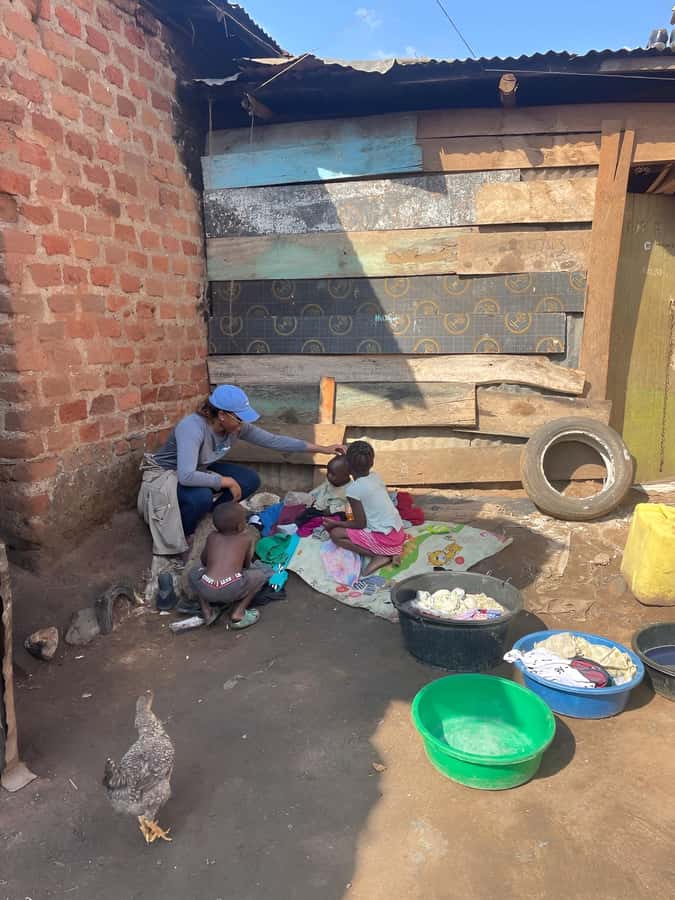
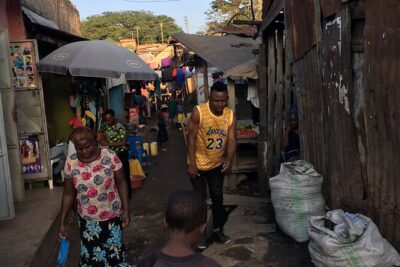
Narrow alleys and busy footpaths lead between homes and businesses. Space is limited, so the route can feel close and crowded. You might need to pause for people carrying goods, children moving through the lanes, or small work activities taking place beside the path.
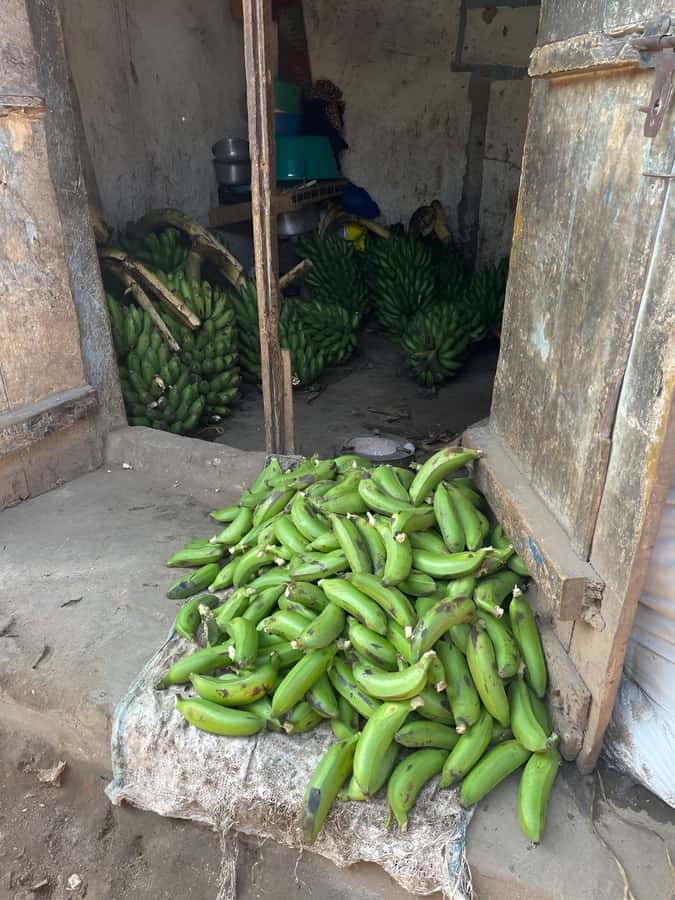
That closeness is part of the lesson. Families make use of every available corner. Business, worship, schooling, and home life happen within a small area. You may see food stalls cooking chapati, vendors selling produce, and artisans finding uses for discarded materials.
I appreciate this focus on work. A tour of poverty can easily reduce people to their difficulties. Here, the small businesses show skill and effort. They also show how residents respond when formal jobs and public services are limited.
Meeting people without turning the visit into a spectacle
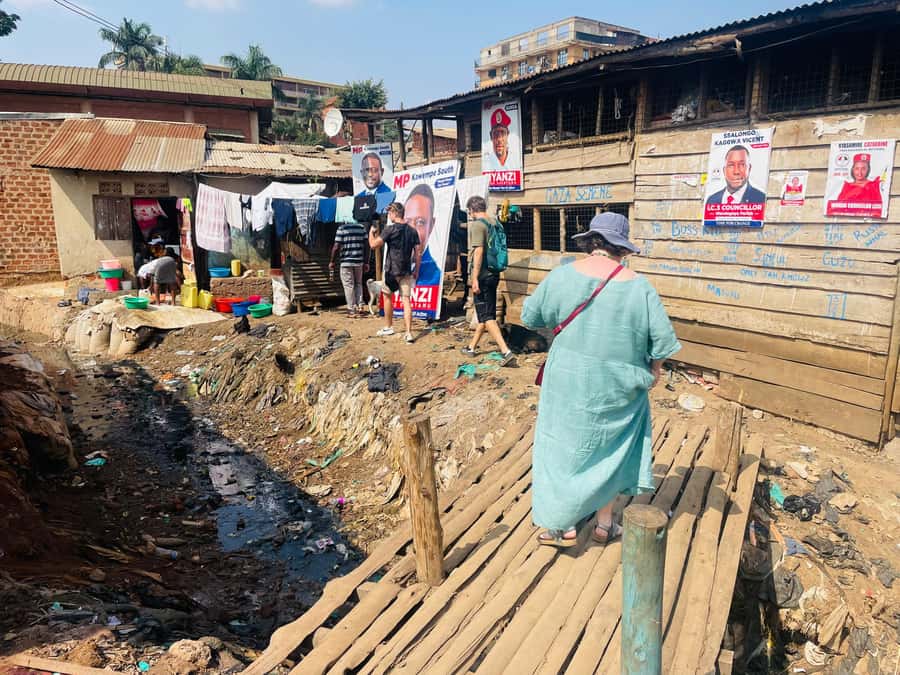
The best part of this tour is the chance to listen. Community members may explain their routines, work, family life, and hopes. The supplied description also includes possible visits to local homes, schools, youth projects, churches, and a gym.
Those stops are not guaranteed as a fixed checklist, so keep your expectations flexible. The route may change according to the day, community activity, and what is appropriate for residents. One account describes entering homes, a church, a school, a gym, and narrow lanes, with friendly welcomes throughout. That gives you a useful sense of the range of places the tour may include.
Children may be curious and pleased to see visitors. That can be a warm moment, but it is also where good manners matter most. Follow your guide’s instructions, ask before taking photographs, and do not treat people as scenery. A respectful greeting and a willingness to listen will do more than a camera.
The small group helps here. Six people can stand aside more easily than a large crowd, and you have a better chance to ask a thoughtful question without making the visit feel like a procession. The guide can also keep track of the group and explain when a stop needs to be brief.
Same country, a completely different few days:
- 3 Hours Guided Cycling Tour Across Lake Victoria
★ 5.0 · 151 reviews - 3 Days gorilla trekking Safari tour in Uganda
★ 5.0 · 121 reviews - Lake Victoria Island Cycling Tour from Kampala
★ 5.0 · 120 reviews - Steve Kampala Walking tours (Airpals Safaris tour)
★ 5.0 · 89 reviews
Schools, churches, youth projects, and local support
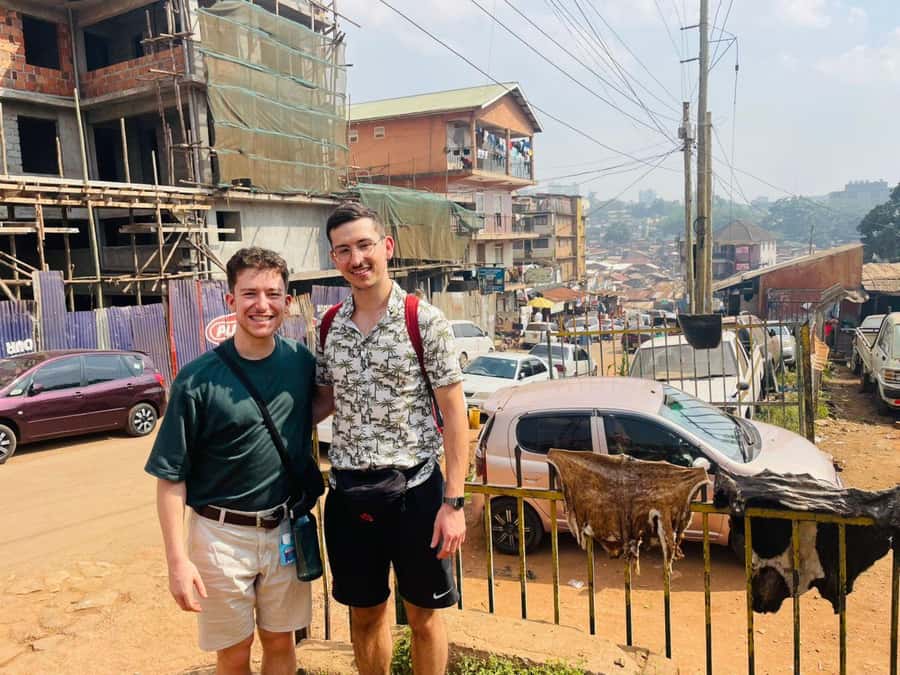
Education and youth work are important parts of the tour’s message. You may see how schools or youth projects help people push against the limits created by poverty. These places show that Katanga is not only coping with today. Residents are also trying to shape what comes next.
Churches can offer another view of community life. One visitor described seeing a church during the walk, and the main description notes music from churches as part of the sound of the neighborhood. Religion, family, local groups, and informal support networks can all help people manage difficult conditions.
The tour explains how residents build those networks and adapt to limited infrastructure. That is more useful than a simple list of problems. You begin to see why a community can be short on space and services yet still have strong social ties.
Still, the experience cannot fix the problems it shows you. Education projects and local initiatives may be doing important work, but the tour does not promise a full picture of every organization in Katanga. Think of these stops as introductions, not a complete survey of social programs.
The harder reality of overcrowding and sanitation
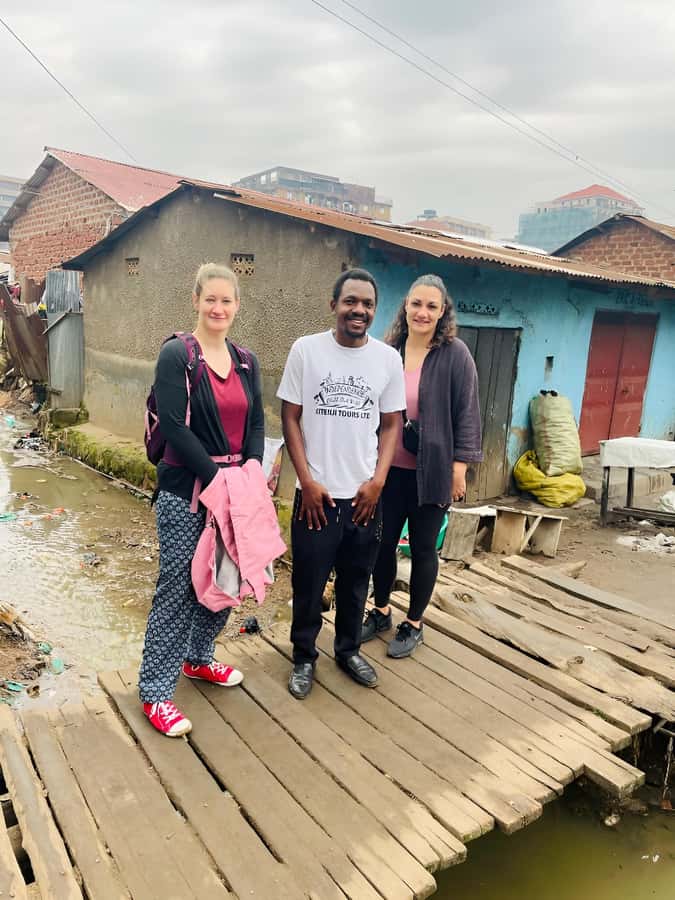
Katanga is not presented as a feel-good attraction. You will hear about economic hardship, overcrowding, and sanitation concerns, and you may see evidence of those pressures during the walk.
This can be uncomfortable. That discomfort is not a reason to avoid the tour, but it is a reason to choose it carefully. You need to be ready to hear people describe limited options without assuming that one short visit gives you the right to judge their choices.
The guide’s role is especially important here. A good guide provides context and helps you move through sensitive areas safely and politely. Maxwell is repeatedly associated with a calm, reassuring visit, and another account specifically notes two guides helping create a safe atmosphere. That practical support can make a major difference on a route that you would not be able to navigate responsibly on your own.
Safety is not a promise that every moment will feel easy. It means you have local guidance, clear instructions, and someone who knows how to approach the community. Stay with the guide and follow directions.
Ingenuity in shops, stalls, and workshops
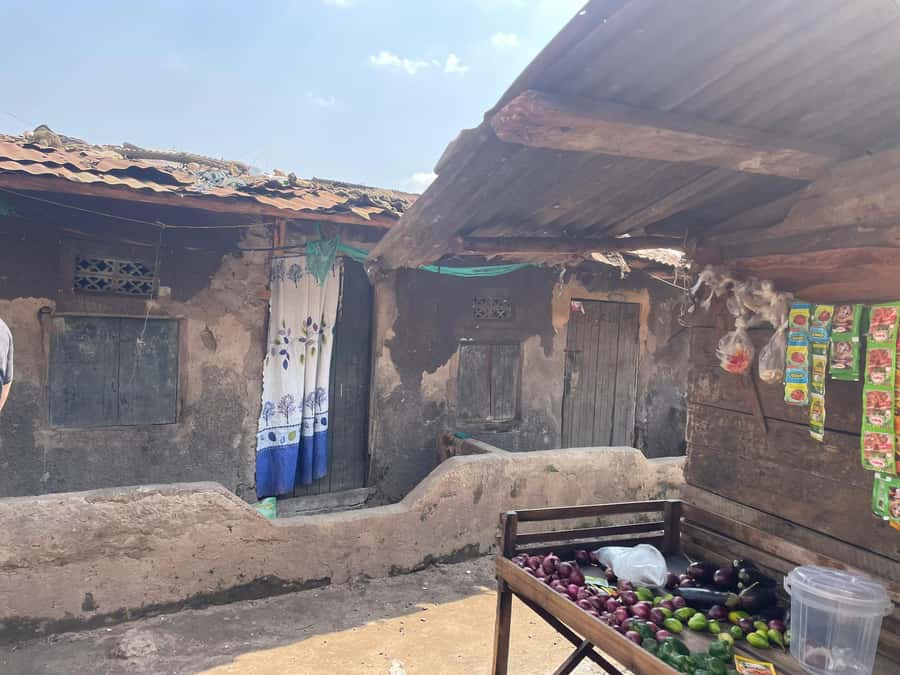
Katanga’s small-scale businesses give the tour much of its energy. You may pass chapati being prepared, fresh produce being sold, handmade goods, or scrap materials being turned into useful objects.
These are modest enterprises, but they are not minor details. They show how people create income with limited capital. They also explain why informal settlements are more than collections of houses. Work is often close to home, and neighbors depend on one another as customers, suppliers, and helpers.
The artisan stops may be especially interesting if you enjoy practical craft. Recycling scrap requires imagination, and the tour uses these examples to show how residents make resources stretch. You will not be watching a staged craft demonstration, so the pace and access may vary.
I would bring curiosity rather than a shopping list. The focus is understanding how the local economy works. If goods are offered for sale, buy only if you genuinely want them and do so fairly.
What the 1.5-hour format gives you
Ninety minutes is a sensible length for this kind of visit. It allows you to walk through several areas, meet people, and discuss the setting without turning the tour into an exhausting half-day commitment.
The tradeoff is that the visit stays selective. Katanga is large and complex, and no short route can represent every street, family, or issue. You will leave with a clearer starting point, not a final answer about urban poverty in Uganda.
The compact format also helps keep the experience focused. The guide can explain what you are seeing as it happens, instead of burying the main points under a long lecture. I would choose a start time when you feel alert and patient. This is a listening tour, and you will get more from it if you are not rushing off to the next appointment.
Why the small group matters
The six-person limit is one of the strongest features. A small party is less intrusive, easier to manage in tight alleys, and better for conversation. You can ask about local businesses, housing, education, or the city’s growth without shouting over a large group.
It also gives the guide room to respond to the group. If you have a particular interest in youth work, religion, entrepreneurship, or daily family life, you may be able to explore that topic during the walk. The route remains a group activity, so there is no guarantee of a private conversation, but the format is more personal than a standard city excursion.
Several accounts praise the guides for friendliness, patience, and safety. One guide also handled a scheduling problem flexibly when visitors had trouble arriving at the agreed time. That kind of practical communication is valuable in Kampala, though you should still contact the operator if your plans change.
Is $25 a fair price?
At $25 per person, the tour is priced above a casual self-guided neighborhood walk, but it offers something you cannot get by wandering in alone: a resident guide, an arranged introduction, local context, and a more responsible way to enter a sensitive community.
The value depends on your purpose. If you want a quick list of landmarks, this is poor value. If you want to understand how informal businesses, schools, social groups, and families function in a difficult setting, the price is more reasonable.
The small group strengthens the value. You are not paying for a large bus operation with a fixed speech. You are paying for access, guidance, and the chance to ask questions in a controlled way. The tour can also support local projects, according to the activity details, though you should ask the operator exactly how proceeds are used if that matters to your decision.
Meals and drinks are not included. The walk lasts only 1.5 hours, so that is not a major cost issue, but plan your own refreshments before or after the tour.
Who should book this walk?
I would recommend it to visitors who want a serious look at Kampala and who can approach the subject with humility. It suits people interested in urban inequality, community enterprise, education, social programs, and everyday life beyond hotel districts.
It may also suit first-time visitors who want a guide to help them enter an area they should not explore alone. The strongest praise centers on guides who made people feel safe and welcome, especially Maxwell and Marvin.
I would not recommend it to anyone seeking polished entertainment or a photo stop. The route includes difficult living conditions and may involve narrow, uneven paths. It is also not suitable for people with mobility impairments.
Comfortable shoes are essential. Keep your clothing practical, stay close to the guide, and listen carefully to instructions about photography and interaction. The supplied information specifically asks you to bring comfortable shoes, and that is good advice rather than a throwaway packing note.
Practical booking details for a smoother visit
The tour is conducted in English with a live guide. Groups are limited to six people, and the operator confirms your preferred start time after booking. Available times are listed between 9 am and 7 pm, but check before assuming a particular hour is possible.
You can reserve now and pay later, which helps if your Kampala schedule is still changing. Cancellation is free up to 24 hours before the activity for a full refund.
The route starts and ends at Kitenji Uganda Safaris and Tours, passing through Wandegeya on the way to and from Katanga. Because the supplied location information also identifies Mityana District, I would confirm the exact meeting point and route with the operator before booking transport. That small check can prevent confusion, especially if you are arranging a taxi from another part of Kampala.
Should you book the Katanga walk?
Book this tour if you want a guided, human view of Kampala’s informal communities and are prepared to see both resourcefulness and hardship. The local guides, small group, and direct community contact give it real value, while the short format makes it easy to fit into a city stay.
Skip it if you want a relaxed sightseeing walk, have difficulty with uneven paths, or feel uncomfortable visiting a poor neighborhood. For the right visitor, Katanga offers a useful correction to the resort version of East Africa. You will not solve the problems you see, but you can listen, learn, and leave with a more grounded understanding of how people build daily life with very little room to spare.
FAQ
Where does the Katanga Slum Guided Walking Tour start?
The tour starts at Kitenji Uganda Safaris and Tours.
How long does the tour last?
The walking tour lasts approximately 1.5 hours.
What language is the tour conducted in?
The tour is conducted in English with a live guide.
How many people can join the tour?
The group is limited to six participants.
What times is the tour available?
The activity is available between 9 am and 7 pm, subject to availability. After booking, an agent contacts you to confirm your preferred start time.
What should I bring?
Bring comfortable shoes. Meals and drinks are not included.
Is the tour suitable for people with mobility impairments?
No. The tour is not suitable for people with mobility impairments.
Latest into the Kampala lineup
- Uganda: 3-Day Gorilla Experience from Entebbe★ 5.0 · 2 reviews
- Uganda Equator Tour From Kampala To Kayabwe★ 5.0 · 4 reviews
- Uganda: 1-Day Murchison Falls Park Safari with Boat cruise★ 5.0 · 3 reviews
- 3-Day Mind Refreshing in Murchison Falls National Park★ 5.0 · 4 reviews
- Entebbe kampala airport transfers★ 5.0 · 3 reviews
- Weekend Package B★ 5.0 · 7 reviews
- 15 Day Gorillas, Chimps and Big 5 Safari Tour★ 5.0 · 5 reviews
- Uganda 4 days Gorilla Trekking★ 5.0 · 3 reviews
Walking Tours, compared.

Kampala Walking Tour (3 Hours) with Optional Gaddafi Mosque Visit
Read our review →
Steve Kampala Walking tours (Airpals Safaris tour)
Read our review →
Browse the lists this tour appears in