Review · CITY TOURS
Kampala: Private Guided City Tour with vehicle Transfers
Kampala tells Uganda’s story in layers. This private city tour brings together royal sites, sacred places, memorials, markets, and daily city life, all with a local guide and air-conditioned vehicle. I like the wide range of stops, from the Buganda Kingdom’s royal grounds to the Bahá’í Temple and Namugongo shrines. I also like the private format, which lets you set the pace instead of trailing a large group.
The main consideration is time. The itinerary covers many sites across Kampala, and no tour duration is specified, so you should confirm the expected schedule before booking. The advertised location is Mityana District, while the sightseeing takes place in and around Kampala, making pickup details worth checking carefully.
In This Review
- Key things to know before you book
- A useful first look at Kampala
- Bagala Craft Market and the first taste of local life
- Independence Monument, World War Memorial, and Constitutional Square
- Gaddafi Mosque on Old Kampala Hill
- Kabaka’s Palace and the Buganda Kingdom
- Kasubi Tombs, a sacred royal burial place
- The Bahá’í Temple on Kikaaya Hill
- Namugongo’s Catholic and Anglican shrines
- Lunch and the practical comfort of a private car
- How the $170 price works for you
- Who will enjoy this Kampala tour most?
- Should you book it?
- FAQ
- What is included in the Kampala city tour?
- How much does the tour cost?
- Which sites are included?
- Is the tour private?
- Can the itinerary be customized?
- What language is the tour offered in?
Key things to know before you book
- Seven major cultural and religious sites are included, from Kabaka’s Palace and Kasubi Tombs to Namugongo.
- Private transport and a private guide make it easier to adjust the pace and spend longer at places that interest you.
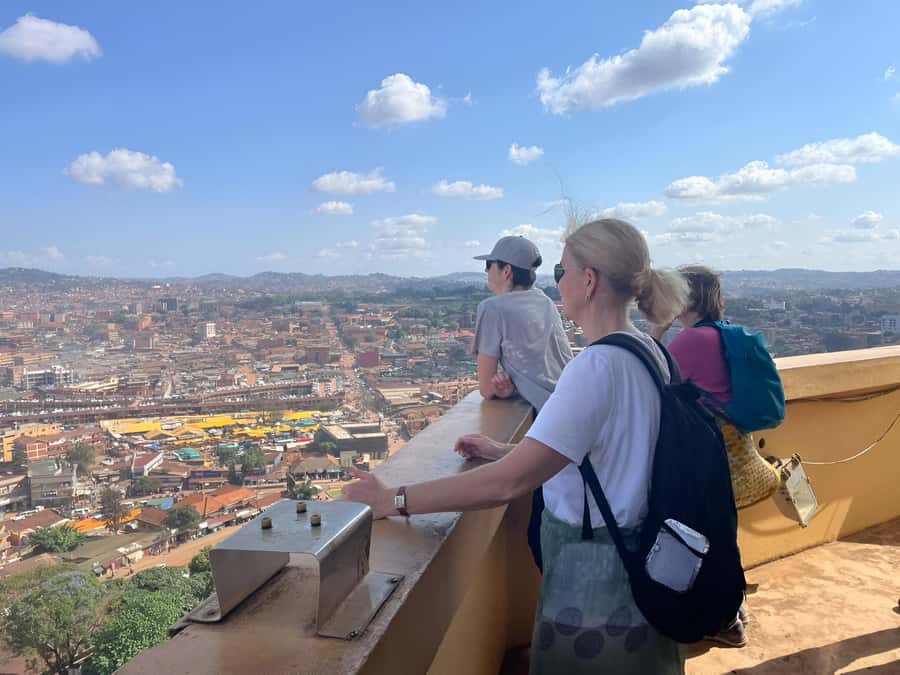
- Gaddafi Mosque includes a city view from its hilltop setting and towering minaret, subject to site access.
- The Kasubi Tombs reveal traditional Ganda architecture, with the main structure built from organic materials.
- Lunch at an authentic Ugandan restaurant adds a local food experience to a sightseeing-heavy day.
- Guides Pius and Sharif received high praise, with Sharif specifically noted for safe driving, a clean car, and an unhurried pace.
A useful first look at Kampala
Kampala is not a city you understand from one polished monument. Its character comes from the way royal traditions, Christian faith, Islamic architecture, colonial-era memorials, craftwork, and modern city life sit close together.
That is the strength of this tour. You are not asked to choose between history and religion, or between a formal landmark and a local market. The route gives you a broad introduction, then lets your guide explain how these places connect to Uganda today.
The private setup matters here. You travel in an air-conditioned vehicle, with transfers between stops, bottled water, and no strangers setting the pace. If you want more time at Kabaka’s Palace but only a quick look at the craft market, you can ask for that adjustment.
The tour is offered in English. The experience provider is Kitenji Uganda Safaris and Tours, and the price is listed at $170 per person. That is not the cheapest way to see Kampala, but the value improves if you are traveling as a couple or small private party and make full use of the guide, vehicle, lunch, and flexible schedule.
Other ways to see Kampala itself:
- Kampala Walking City Tours (Women Guided)
★ 5.0 · 115 reviews - Kampala: City Guided walking sightseeing Tour
★ 4.7 · 52 reviews - Half day Kampala City Motor Bike Tours
★ 5.0 · 29 reviews
Bagala Craft Market and the first taste of local life
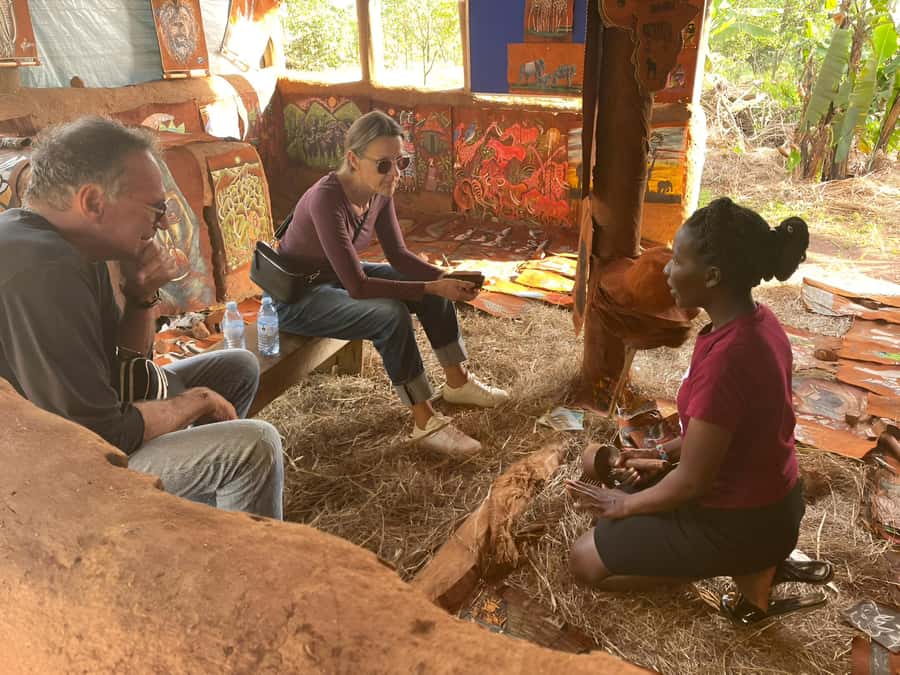
Bagala Craft Market is a sensible opening stop because it puts you close to everyday Kampala creativity. You can look through locally made crafts, jewelry, textiles, and souvenirs, while meeting artisans and seeing the sort of work sold to visitors.
I would treat this as more than a shopping stop. It gives you a chance to ask your guide about the materials, styles, and uses of the objects on display. A market is also a good place to get your bearings before the day turns toward formal monuments and sacred sites.
The practical point is to decide early if you want to buy something. Souvenirs are not included in the tour price, and the route contains many other stops. If you wait until the final hour, you may not have another chance to return.
As with any craft market, prices and quality can vary. Take your time, compare items, and buy something because you like it, not because you feel rushed. The private format should make it easier to browse without being hurried along.
Independence Monument, World War Memorial, and Constitutional Square
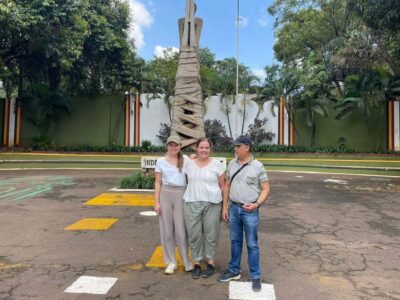
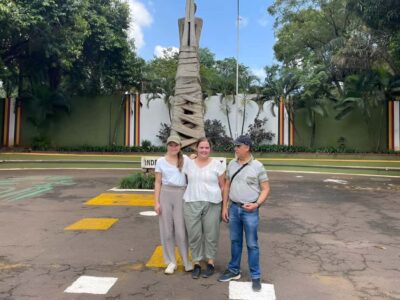
The Independence Monument commemorates Uganda’s independence from British rule in 1962. Nearby, the World War Memorial, built in 1945, honors Ugandans who served in the World Wars.
These memorials are set in a calmer garden setting, offering a pause from the city’s traffic and movement. I like this part of the tour because it gives you national context before the route moves into Buganda’s royal story and Uganda’s religious heritage.
The Constitutional Square adds another layer. Together, these sites help you think about Uganda as a modern nation, not only as a collection of traditional kingdoms and sacred places.
Do not expect a long museum visit here. The appeal is the setting and the explanation from your guide. If political and national history interests you, ask for extra context. Since this is a private tour, you can use the stop as a short introduction or spend more time with the monuments.
Gaddafi Mosque on Old Kampala Hill
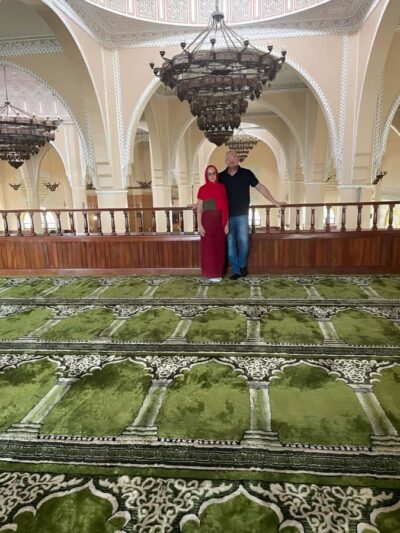
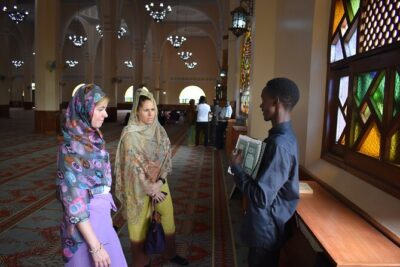
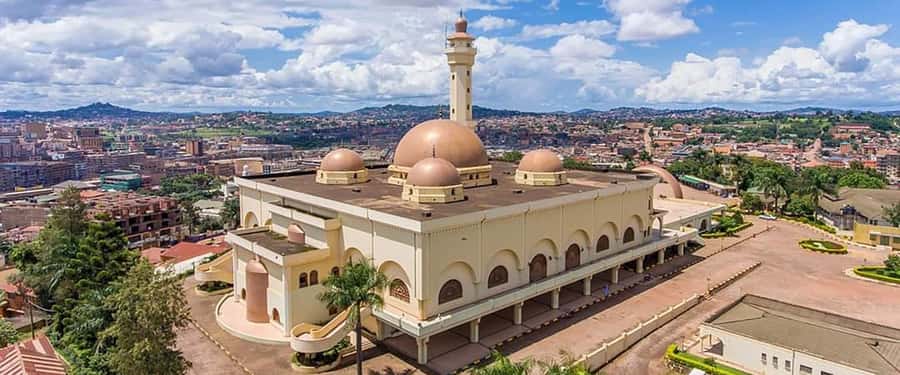
Gaddafi Mosque is one of the tour’s most memorable stops. It sits on Old Kampala Hill and is described as the largest mosque in East Africa. Its design combines Arab, African, and European influences, giving the building a striking visual presence.
The mosque is also valuable for its view. You may be able to ascend the tall minaret for a panoramic look across Kampala, depending on access conditions at the time of your visit. From this hilltop position, the city’s spread becomes easier to understand.
Your guide can help explain the mosque’s Islamic art and architecture, but remember that this remains an active religious site. Dress and behavior should be respectful, and access to certain areas may depend on local rules.
This is one stop where the private arrangement is useful. You can ask questions without worrying about holding up a group. If you care about religious buildings, allow enough time to appreciate the details instead of treating the mosque as a quick photo stop.
Same country, a completely different few days:
- 3 Hours Guided Cycling Tour Across Lake Victoria
★ 5.0 · 151 reviews - Kampala’s Best Experience walking tour
★ 5.0 · 137 reviews - 3 Days gorilla trekking Safari tour in Uganda
★ 5.0 · 121 reviews - Lake Victoria Island Cycling Tour from Kampala
★ 5.0 · 120 reviews
Kabaka’s Palace and the Buganda Kingdom
Kabaka’s Palace is the official residence of the King of Buganda, the largest traditional kingdom in Uganda. The palace introduces you to the kingdom’s political structure, customs, and long place in Ugandan life.
The site also carries a darker chapter. During Idi Amin’s regime, the palace had a grim political role. That contrast is important. You are not seeing a royal residence frozen in ceremony. You are seeing a place connected to both Buganda’s cultural identity and Uganda’s turbulent modern politics.
I would give this stop serious attention. The value depends heavily on the guide’s explanation, so ask about the Buganda Kingdom, the role of the Kabaka, and how traditional authority fits alongside the modern Ugandan state.
The palace may appeal most to visitors who enjoy political and cultural history. If you prefer only grand architecture, you may find the historical interpretation more important than the building itself. The tour description does not provide details about every room or exhibit, so expect the guide to shape much of your understanding.
Kasubi Tombs, a sacred royal burial place
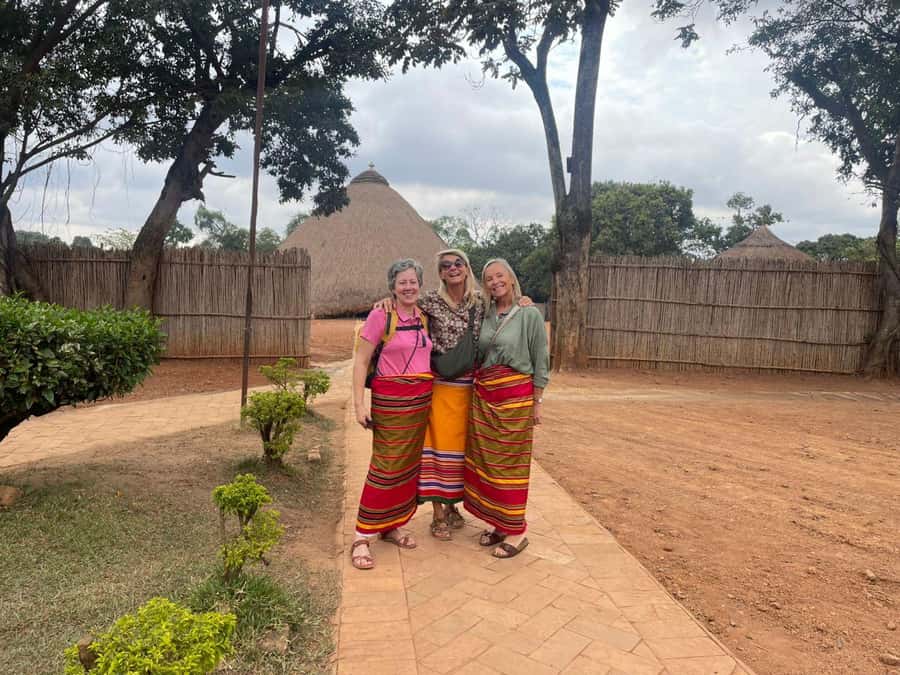
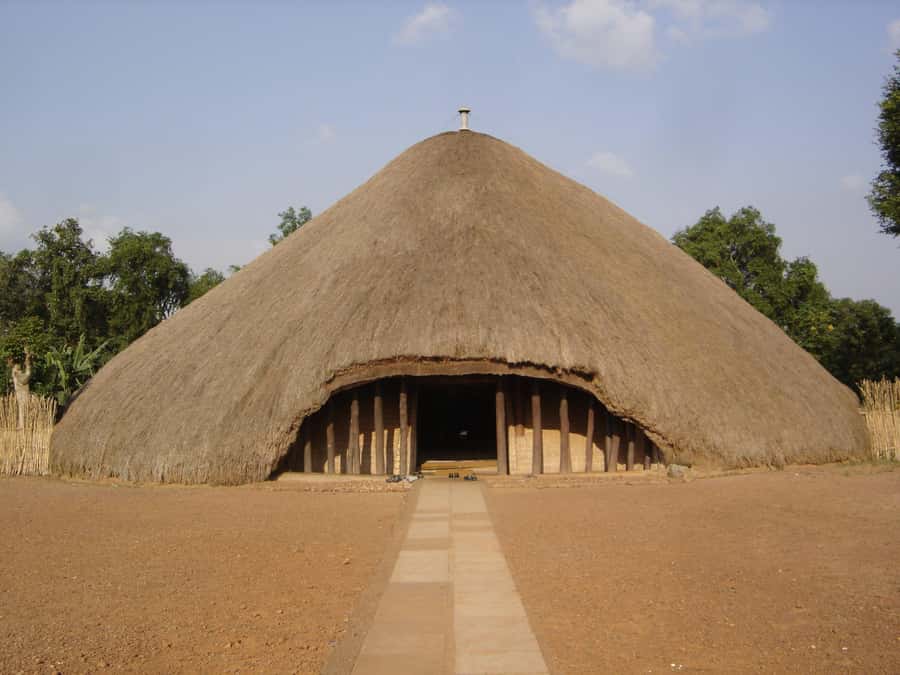
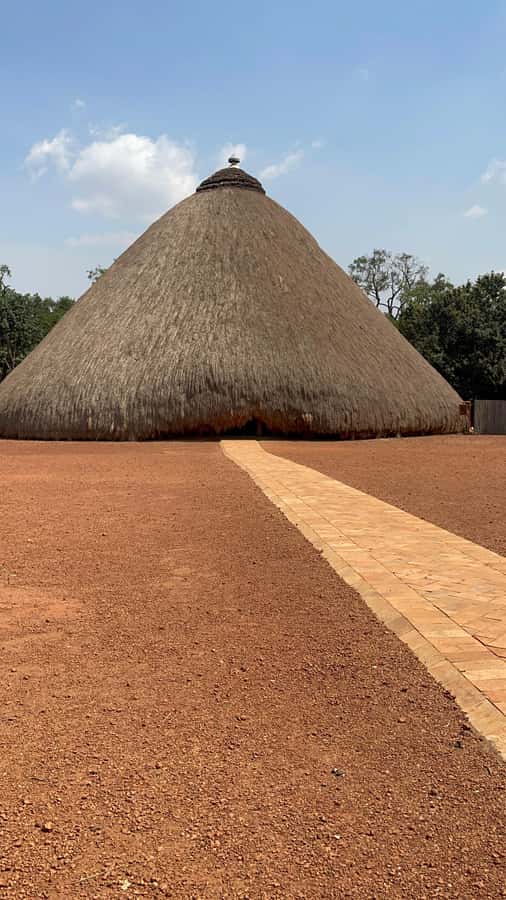
The Kasubi Tombs are a UNESCO World Heritage Site and the burial grounds of Buganda kings. The main structure, Muzibu Azaala Mpanga, is built entirely with organic materials and is a notable example of traditional Ganda construction.
This stop asks for a respectful attitude. It is not simply an old building to photograph. The tombs remain a sacred site and an important symbol of Buganda’s heritage.
The organic construction gives the place a different feel from stone monuments and modern religious buildings elsewhere on the route. Look closely at the traditional techniques and ask your guide how the structure serves its ceremonial purpose.
If you have limited interest in royal history, the stop may seem quiet compared with Gaddafi Mosque or the city center. That quiet is part of its value. The tombs offer a chance to slow down and understand the spiritual side of the kingdom.
Because Kasubi is a UNESCO site, it is one of the tour’s most significant cultural visits. You should not rush it merely to fit in every other stop. A private itinerary gives you a better chance of making that choice.
The Bahá’í Temple on Kikaaya Hill
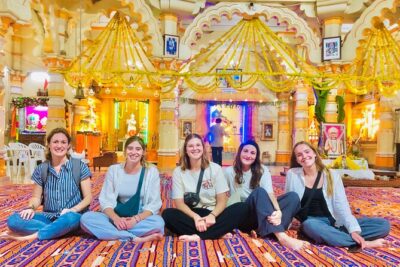
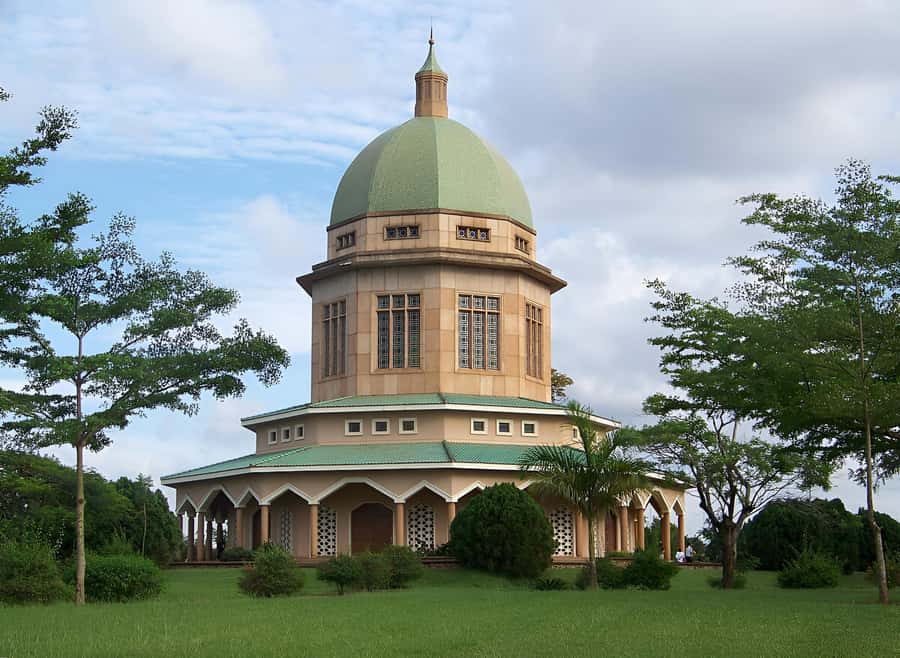
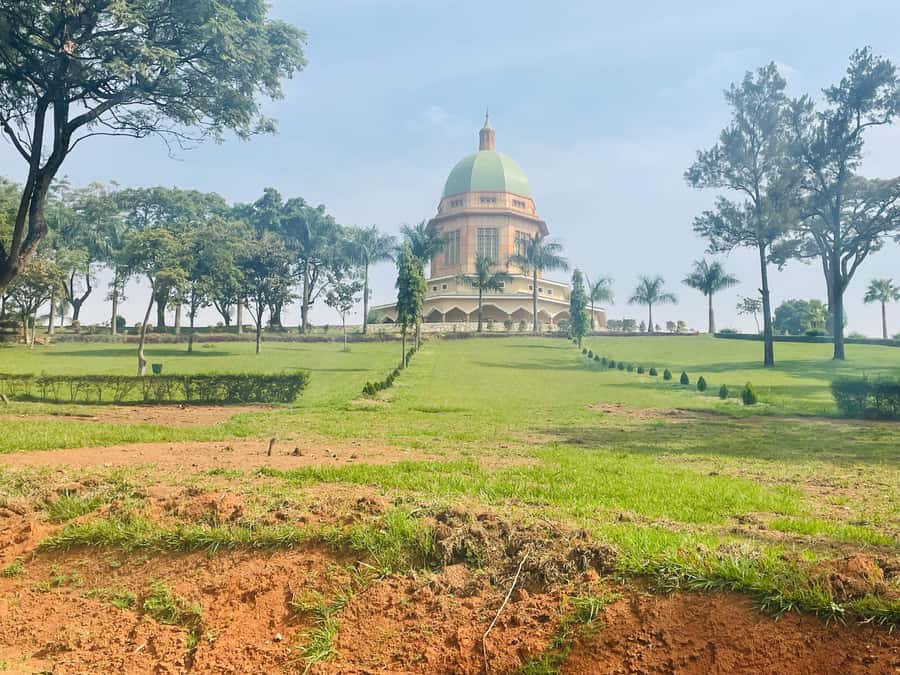
The Bahá’í Temple sits on the slopes of Kikaaya Hill and is the only Bahá’í temple on the African continent. Its dome and surrounding gardens create a calm change of pace after the city’s monuments and royal sites.
Visitors of all faiths are welcome to reflect, meditate, and consider Bahá’í ideas about unity and peace. You do not need a specialist religious background to appreciate the stop. The setting itself offers a quiet break and a chance to see another part of Uganda’s religious life.
This is a good place to let the day breathe. The tour includes many information-heavy locations, so the temple’s gardens can provide a welcome pause. I would not expect a long formal presentation unless you request more explanation, but your guide can help place the temple in Kampala’s religious setting.
The temple may be less compelling if you want nonstop activity. For most people, though, its peaceful grounds add balance to a route otherwise filled with political, royal, and pilgrimage sites.
Namugongo’s Catholic and Anglican shrines
Namugongo gives the tour its strongest Christian focus. The Catholic and Anglican shrines are close enough to visit together, but each tells a separate part of Uganda’s religious story.
The Catholic Shrine was built where St. Charles Lwanga and his companions were killed. Its hut-shaped basilica is supported by 22 pillars and draws millions of pilgrims each June 3 for the Uganda Martyrs celebration.
The nearby Anglican Shrine honors 23 Anglican martyrs. It includes a modern amphitheater, educational museum, and sacred springs. Seeing both sites helps you understand the shared but distinct Catholic and Anglican traditions connected with the martyrs.
You do not need to be religious to find Namugongo meaningful. The shrines connect faith with national memory, sacrifice, and public life. If you visit close to June 3, expect the sites to have special importance and potentially heavier activity, though the tour information does not provide crowd forecasts or special-event arrangements.
Ask your guide to explain the differences between the two shrines. Without that context, you might notice the buildings but miss the historical links between them.
Lunch and the practical comfort of a private car
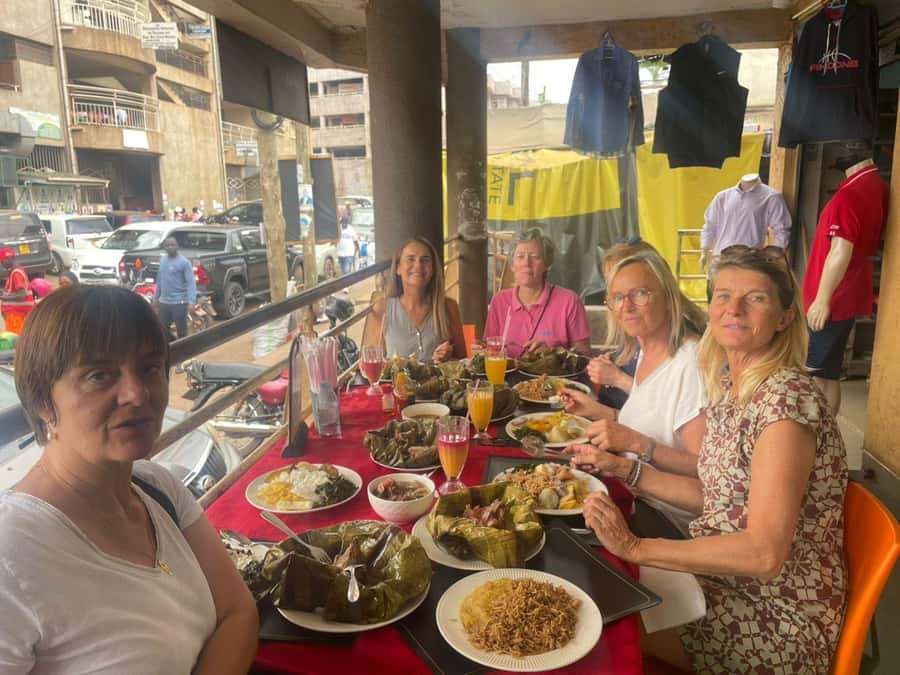
Lunch at an authentic Ugandan restaurant is included. That is a useful part of the experience because it turns the day from a string of monuments into a fuller introduction to Kampala.
The specific restaurant and menu are not given, so do not book this expecting a named dining destination. Instead, think of lunch as a chance to try local food in a setting chosen by the operator. If you have dietary needs, tell the provider in advance, since no dietary details are provided.
The air-conditioned vehicle is another real benefit. Kampala sightseeing involves several stops, and a private car gives you a place to rest between them. Bottled water is included, which is a small but welcome touch in a warm city.
Two guide details are especially useful. Pius was praised for explaining the major sights and being helpful. Sharif was praised for friendly service, safe driving, a clean, comfortable car, and an unhurried pace. Those comments point to the main advantage of this format: the quality of the day depends not only on the sights, but on how well the guide handles the route.
How the $170 price works for you
At $170 per person, this is a premium-priced city tour. It includes a private tour, private transfers in an air-conditioned vehicle, bottled water, lunch, and the listed visits. You also receive free pickup and drop-off, although the exact pickup area should be confirmed because the experience is associated with Mityana District while the route centers on Kampala.
The price makes the most sense if you value convenience and personal attention. Two people sharing a private vehicle may find it worthwhile, especially if they want to ask plenty of questions or adjust the pace. A solo visitor may find the per-person cost harder to justify.
You are also paying for coverage. Many Kampala tours focus on one or two headline attractions. This one links Bagala Craft Market, national memorials, Gaddafi Mosque, Buganda royal sites, the Bahá’í Temple, and Namugongo. That breadth saves you from arranging separate transport and guides.
Still, more stops do not automatically mean better sightseeing. If you want a slow visit to only Kasubi Tombs and Kabaka’s Palace, a shorter custom plan may suit you better. Ask the operator how much time is allocated to each stop and if any can be removed.
The tour can be customized around your interests, departure time, and pace. You can request more time at cultural landmarks, local markets, or religious sites, and you can ask for an optional visit to downtown Kampala. Use that flexibility. A private tour is most valuable when you shape it around what you actually care about.
Who will enjoy this Kampala tour most?
I would recommend this experience to first-time visitors who want a broad introduction without managing Kampala transport themselves. It is also a strong choice for couples or small parties who prefer a private day and want the freedom to ask questions.
It suits you especially well if you like:
- Royal and political history
- Religious architecture and pilgrimage sites
- Local crafts and markets
- A mix of major sights rather than one narrow theme
- Private transport and a flexible pace
- A planned lunch during a full sightseeing day
You may want a different plan if you dislike busy itineraries or prefer independent wandering. The route includes many major locations, and the lack of a stated duration makes it important to ask how the day will be paced.
You should also confirm pickup and drop-off details before paying. Free transfers are included, but the stated location and Kampala route do not perfectly match on paper. That is an easy question to settle and worth asking early.
Booking can be kept flexible with the reserve-now, pay-later option. Cancellation is allowed up to 24 hours in advance for a full refund, according to the tour terms.
Should you book it?
Book this tour if you want Kampala’s main cultural, royal, political, and religious sights handled in one private day. The strongest reasons are the broad route, air-conditioned transport, included Ugandan lunch, and the chance to adjust the schedule.
I would be especially comfortable choosing it with a guide such as Pius or Sharif, based on the useful qualities associated with them: clear explanations, friendly service, safe driving, a clean car, and no needless rushing.
Before booking, confirm the tour duration, pickup area, and the amount of time planned at each major site. If those details suit your schedule, $170 per person can be fair value for a private introduction to Kampala. If your priority is a slow, specialist visit to just a few places, ask for a shorter custom itinerary instead.
FAQ
What is included in the Kampala city tour?
The tour includes a private guide, transfers in an air-conditioned vehicle, bottled water, lunch at an authentic Ugandan restaurant, pickup and drop-off, and visits to the listed cultural, historical, religious, and market sites.
How much does the tour cost?
The listed price is $170 per person.
Which sites are included?
The route includes Bagala Craft Market, the Independence and World War Memorial monuments, Constitutional Square, Gaddafi Mosque, Kabaka’s Palace, Kasubi Tombs, the Bahá’í Temple, and the Catholic and Anglican Namugongo Martyrs Shrines. An optional visit to downtown Kampala is also available.
Is the tour private?
Yes. It is a private tour with private transfers in an air-conditioned vehicle.
Can the itinerary be customized?
Yes. You can request changes to the departure time, pace, and focus. The tour can be adjusted to give more attention to cultural landmarks, markets, religious sites, or other interests.
What language is the tour offered in?
The tour is offered in English.
Latest into the Kampala lineup
- Uganda: 3-Day Gorilla Experience from Entebbe★ 5.0 · 2 reviews
- Uganda Equator Tour From Kampala To Kayabwe★ 5.0 · 4 reviews
- Uganda: 1-Day Murchison Falls Park Safari with Boat cruise★ 5.0 · 3 reviews
- 3-Day Mind Refreshing in Murchison Falls National Park★ 5.0 · 4 reviews
- Entebbe kampala airport transfers★ 5.0 · 3 reviews
- Weekend Package B★ 5.0 · 7 reviews
- 15 Day Gorillas, Chimps and Big 5 Safari Tour★ 5.0 · 5 reviews
- Uganda 4 days Gorilla Trekking★ 5.0 · 3 reviews